From 30 March to 10 April 2026, ATLASea conducted a new sampling campaign at the Roscoff Biological Station.
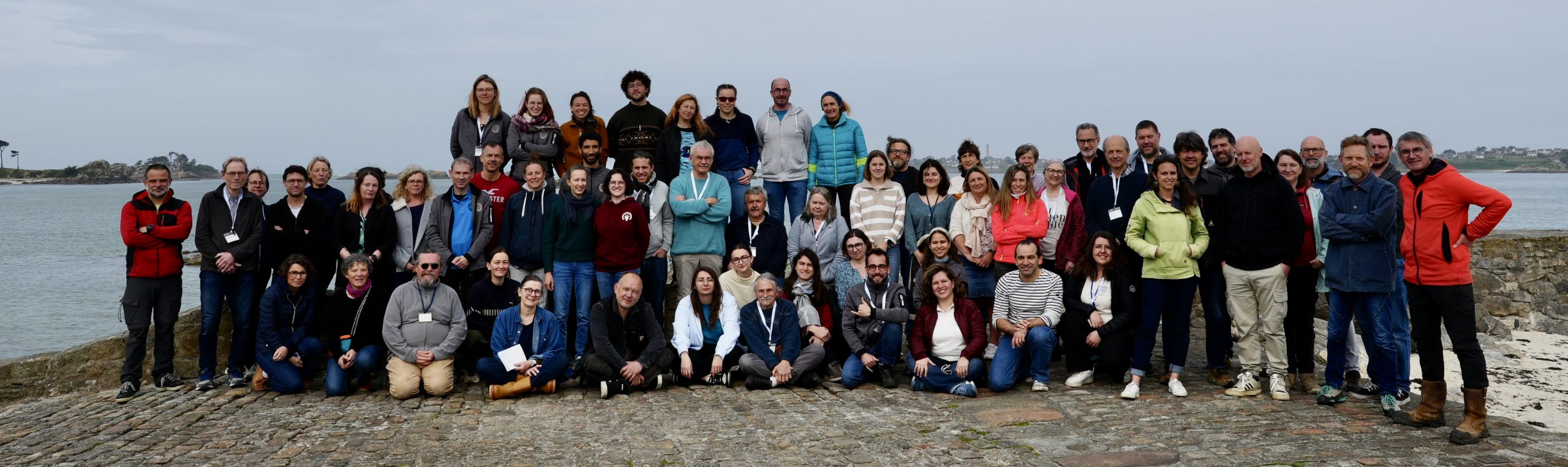
This spring, the ATLASea teams carried out another large-scale field campaign in Brittany, this time based at the Roscoff Biological Station. The operation brought together more than 110 participants in total, with around 80 people working on-site each day. This represented a remarkable collective effort, particularly for the divers, who continued sampling despite challenging weather and sea conditions.
A broad survey with a focus on meiofauna, bryozoans, flatworms and algae
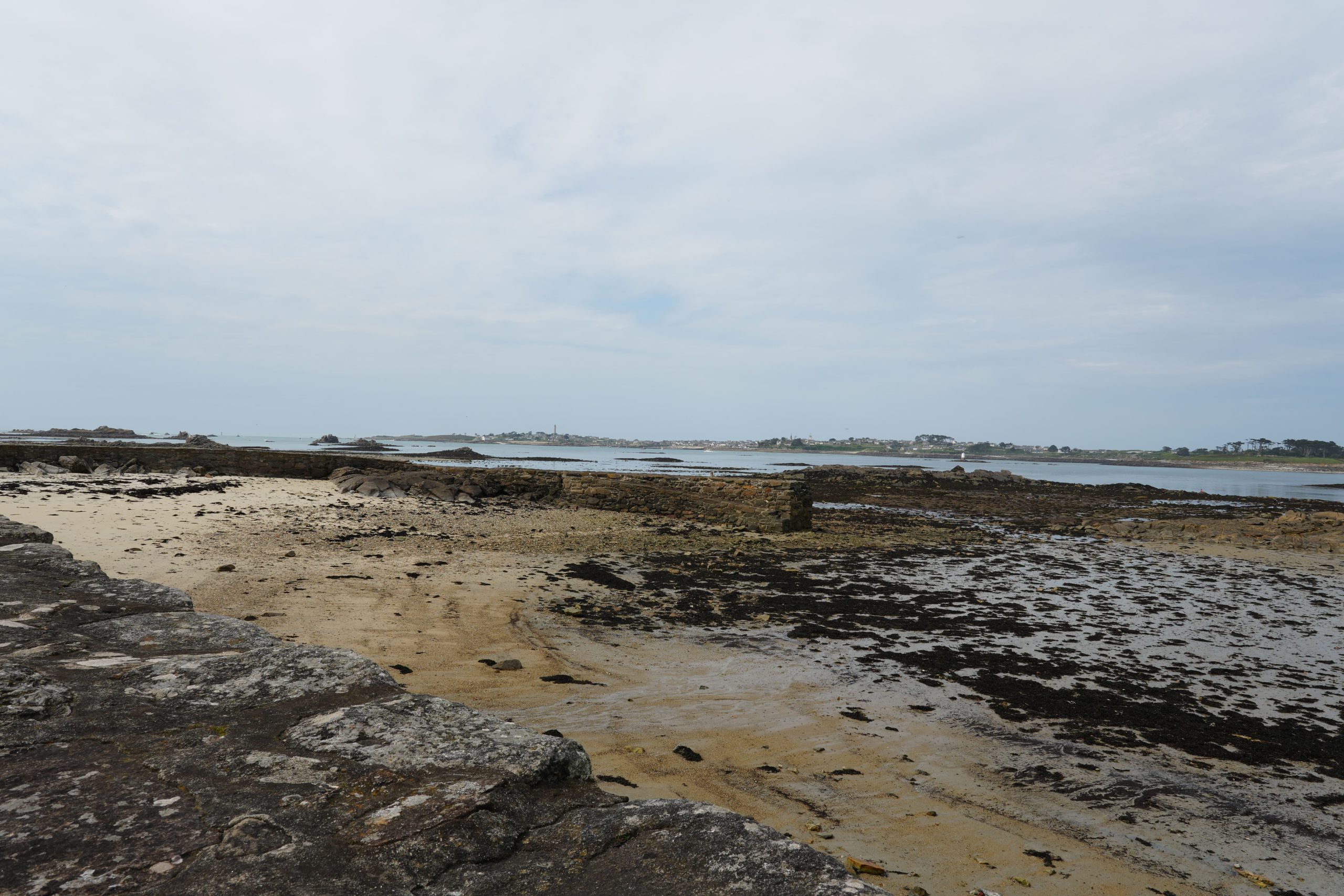
Roscoff Bay is characterised by a mosaic of marine habitats, which explains the exceptional diversity of species found there. Although the campaign adopted a broad, generalist approach, particular attention was devoted to several groups: meiofauna (microscopic marine animals measuring between 0.1 and 1 mm), algae, bryozoans, free-living and parasitic flatworms.
In total, 620 species were collected across 64 different habitats, including 357 species new to the ATLASea programme.
The main groups sampled were molluscs, annelids and arthropods. A dedicated effort was nevertheless directed towards emblematic meiofaunal organisms such as tardigrades and kinorhynchs. Despite their tiny size, these still largely understudied species represent a substantial proportion of benthic animal diversity. The participation of specialist taxonomists made it possible to secure the collection and identification of numerous bryozoans, free-living and parasitic flatworms, and macroalgae (red, green and brown algae).
No easy task behind the scenes
This mission was far from straightforward. In the sorting lab, patience and dexterity were essential: every sediment sample collected in the morning, whether by grab or dredge, could contain a fragile and potentially important species.
The algae also required painstaking preparation. Each specimen had to be carefully cleaned of its symbiotic organisms through a long and meticulous process, a discreet but essential step to ensure the quality of downstream analyses.
Sequencing tiny marine species: a major technical challenge
Once transferred to Genoscope, the samples will present significant challenges for the SEQ-Sea team. Meiofaunal organisms, for example, contain extremely small amounts of DNA, often insufficient for standard sequencing protocols. This difficulty is compounded by a high risk of contamination from the DNA of surrounding organisms.
To address these constraints, researchers are developing so-called low-input approaches capable of working with minute quantities of genetic material. These protocols generally rely on DNA amplification steps to generate sufficient material for sequencing.
Artists documenting the adventure
ATLASea regularly welcomes journalists and artists who document its sampling missions. The Roscoff campaign was notably marked by the presence of photographer Laura Person and illustrator Diane Chauchon.
Already involved in the Endoume campaign in Marseille, Laura Person continued her photographic series Les Invisibles by producing new images during the Roscoff mission. Her work will be exhibited at the international photography festival Les Rencontres d’Arles throughout July. Beyond her artistic contribution, she also volunteered to support the photography team coordinated by Mélanie Van Weddingen, as well as the sorting operations.
For her part, Diane Chauchon immersed herself within the different teams to document, through illustration, the many stages of the DIVE-Sea targeted project.