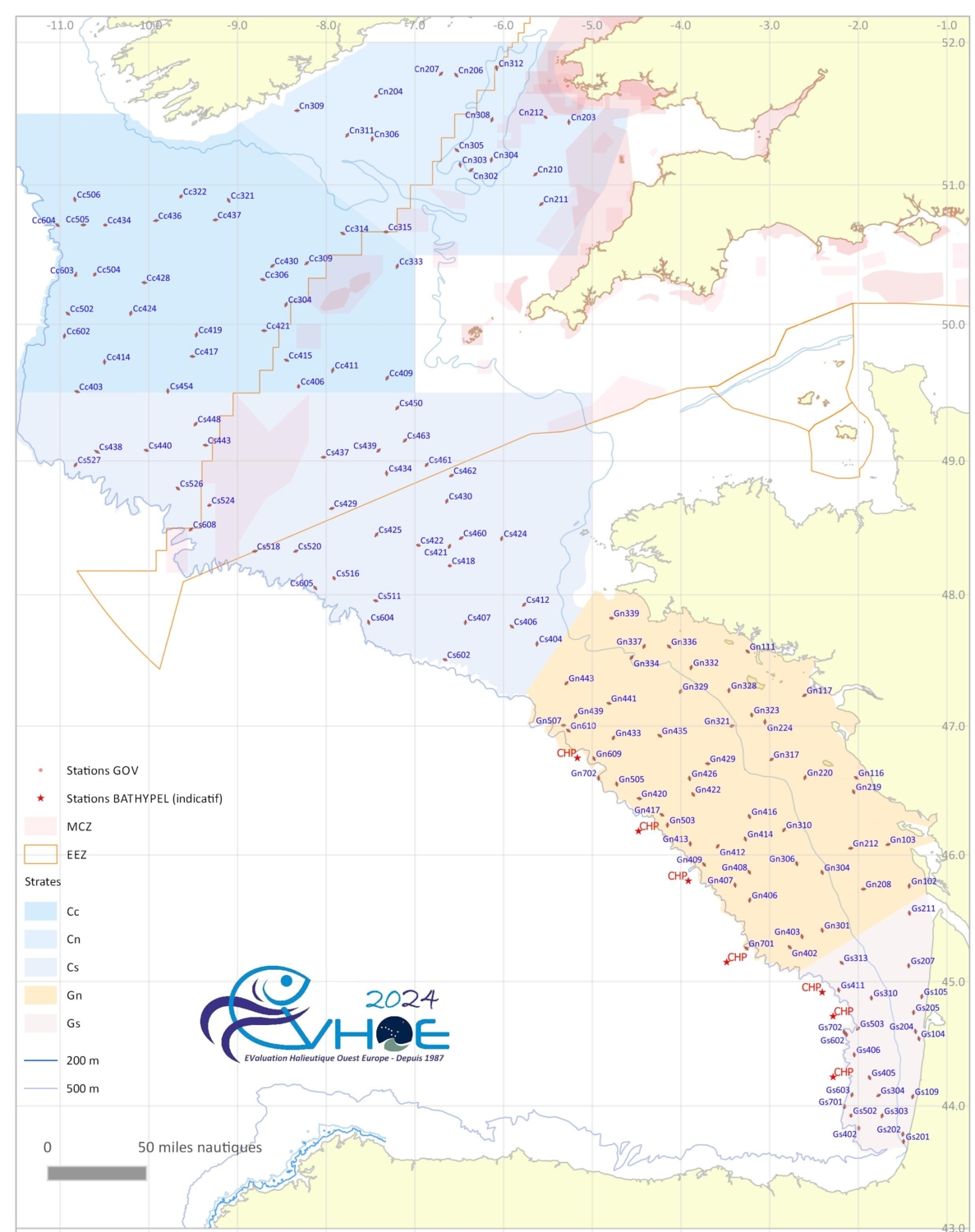
From October 17 to November 6, 2025, the Ifremer team from ATLASea joined the EVHOE survey (Evaluation of Western European Fishery Resources).
Conducted annually by Ifremer over a 46-day period, the EVHOE campaign collects data used to assess the stocks of key demersal species (fish that live and feed near the seabed, such as hake, haddock and megrim) targeted by commercial fisheries in the Bay of Biscay and the Celtic Sea.
The survey also gathers a wide range of environmental observations to improve knowledge of the marine ecosystem in the area. These include measurements of water properties (temperature, salinity and other physicochemical parameters), seafloor depth and substrate type, the presence of marine litter, and biodiversity monitoring covering benthic communities (bottom-dwelling plants and animals), plankton, seabirds and marine mammals.
This year, The Thalassa, a vessel from the French oceanographic fleet deployed for the campaign, hosted the Ifremer team from ATLASea on board for the first 21 days of the mission, sailing from Brest to the Basque coast and from the continental slope to nearshore waters.
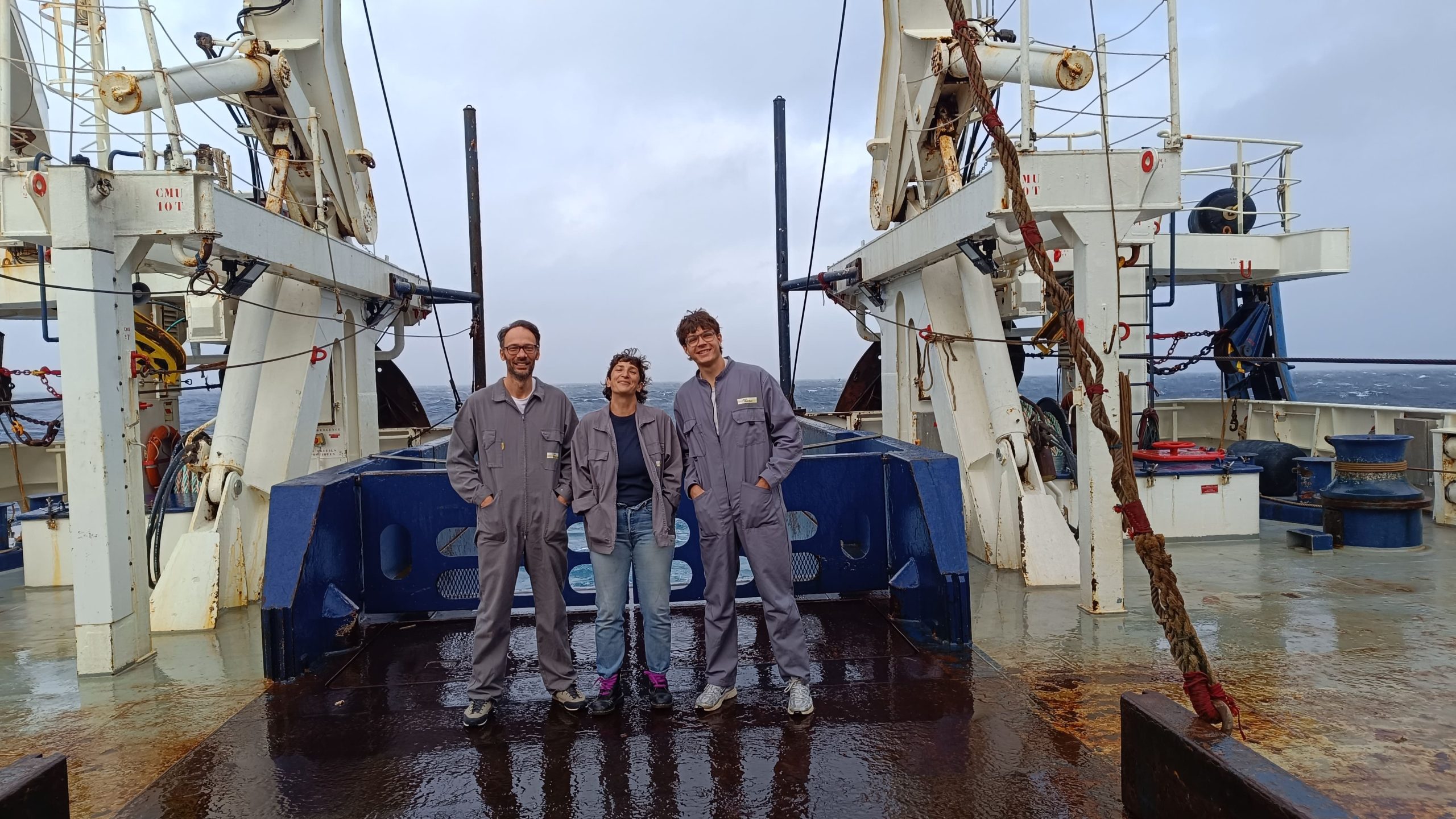
The team included Bruno Ernande, coordinator of the DIVE-Sea project at Ifremer and researcher at the MARBEC UMR, Luisa Métral, Ifremer technician at MARBEC and Valentin Duda-Jouan, an intern from ENS Lyon working within the DECOD UMR.
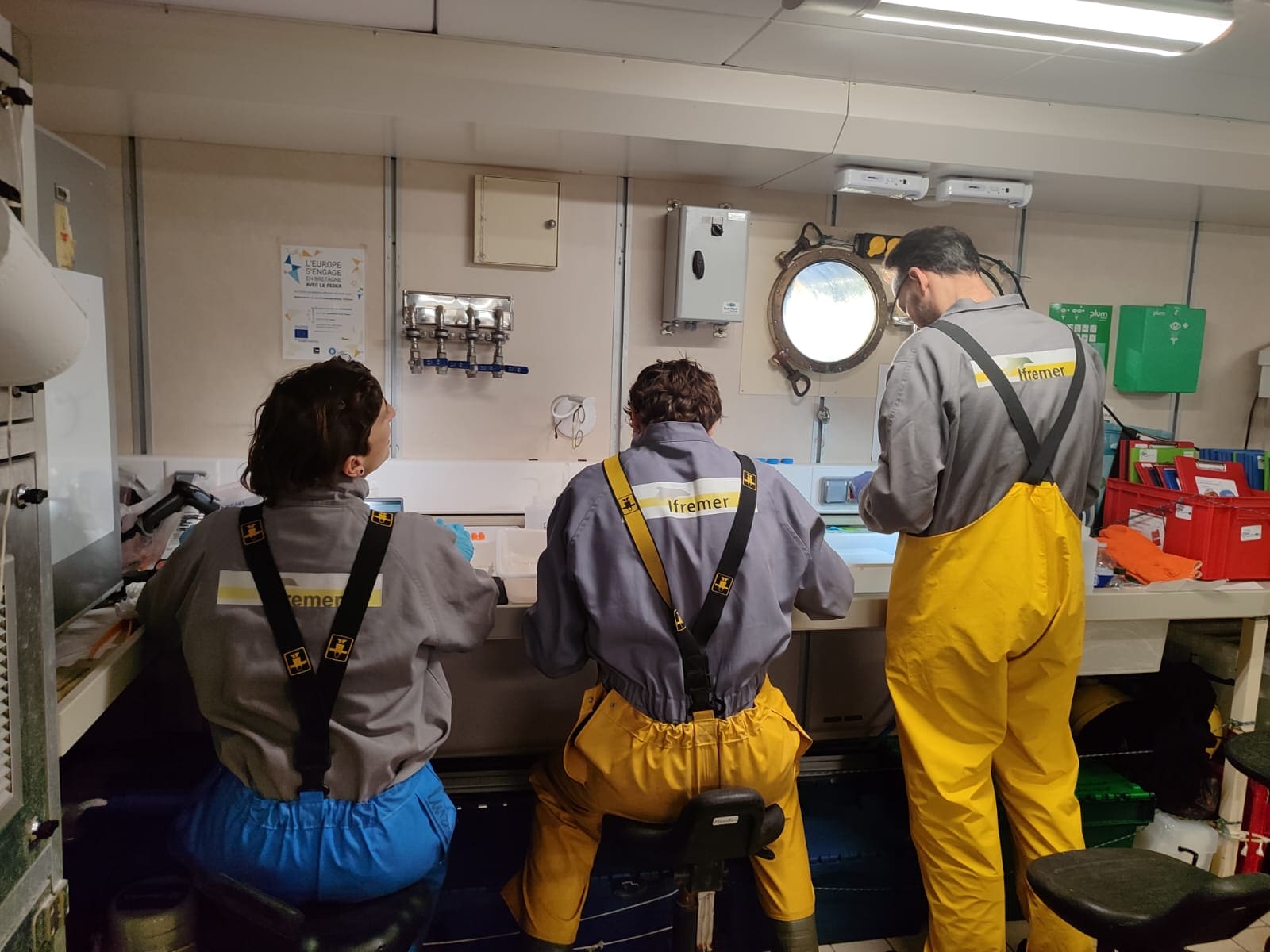
A total of 61 species of fish and cephalopods were collected for ATLASea, including 44 from the continental shelf and 17 mesopelagic species. The latter are rarely sampled due to the great depths at which they occur—between 600 and 800 meters, compared with 0 to 200 meters for shelf species.
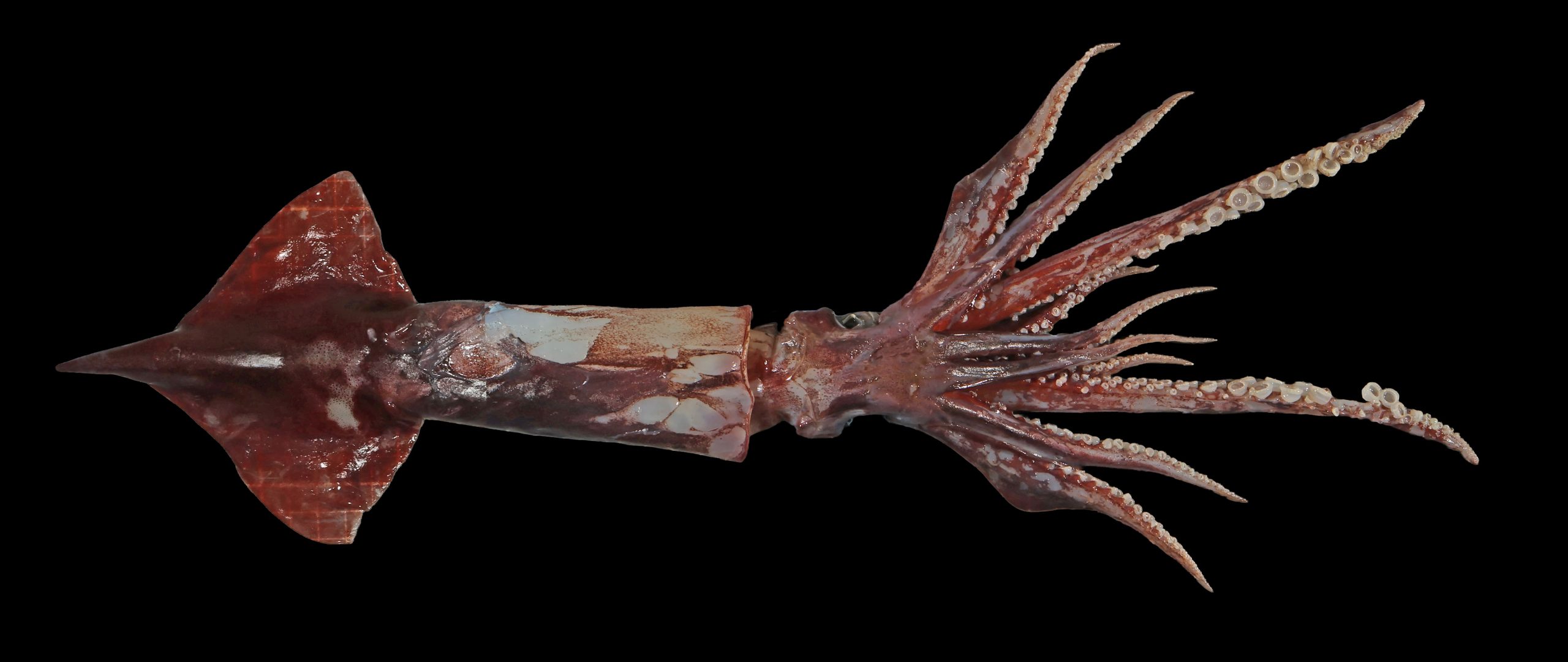
Todadores sagittatus: Despite being regularly caught by commercial and scientific fisheries, the biology and ecology of this cephalopod remain poorly understood. Its capture helps contribute to improving the available knowledge about the species.
© ATLASea photo team
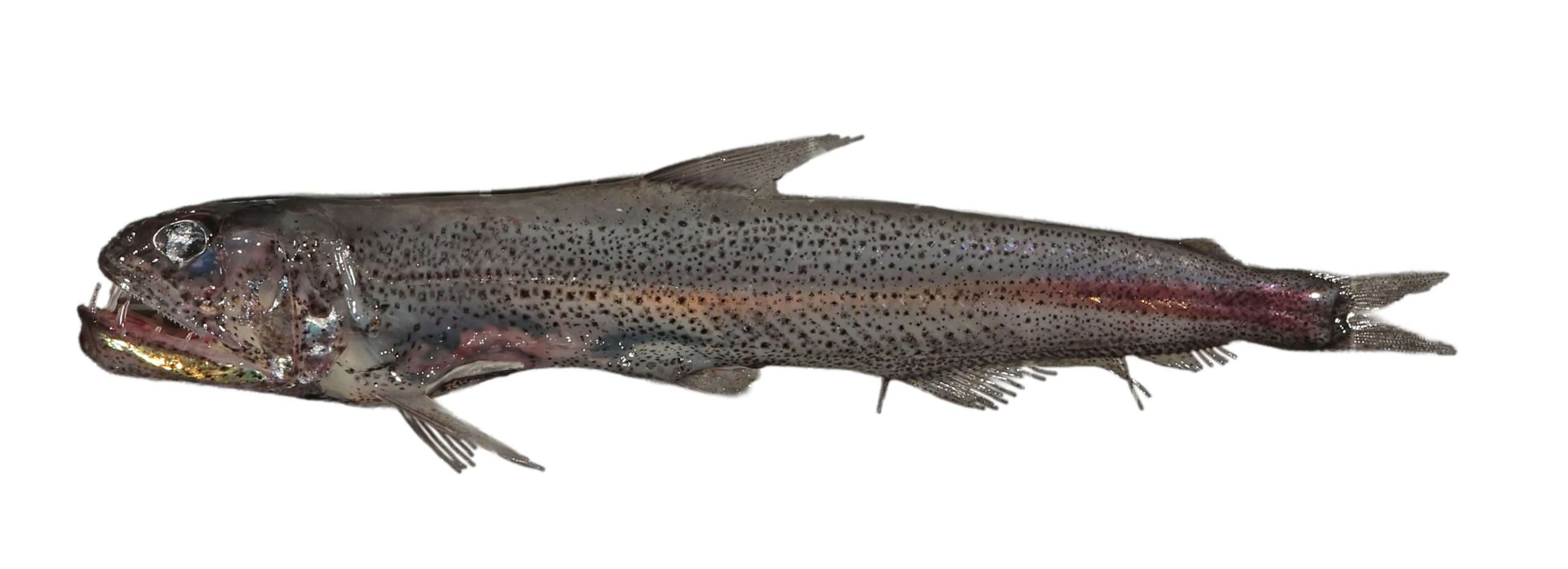
Evermannella balbo: the tubular structure of this mesopelagic species’ eyes maximizes light sensitivity, albeit at the cost of a relatively narrow field of vision. Deep-sea fauna represent an important component of marine biodiversity but remain poorly understood due to the challenges involved in observing them.
© ATLASea photo team
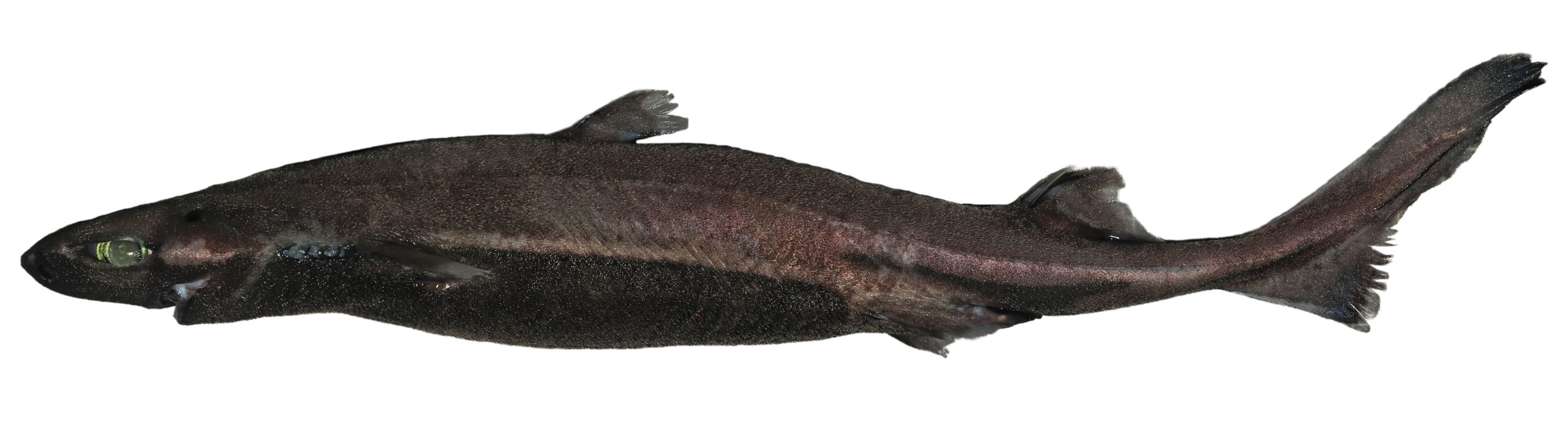
Etmopterus spinax (Velvet belly lanternshark): the light produced by photophores located on the ventral surface of this bathydemersal shark provides counter-illumination, making its silhouette difficult to detect for organisms living on the seafloor.
© ATLASea photo team
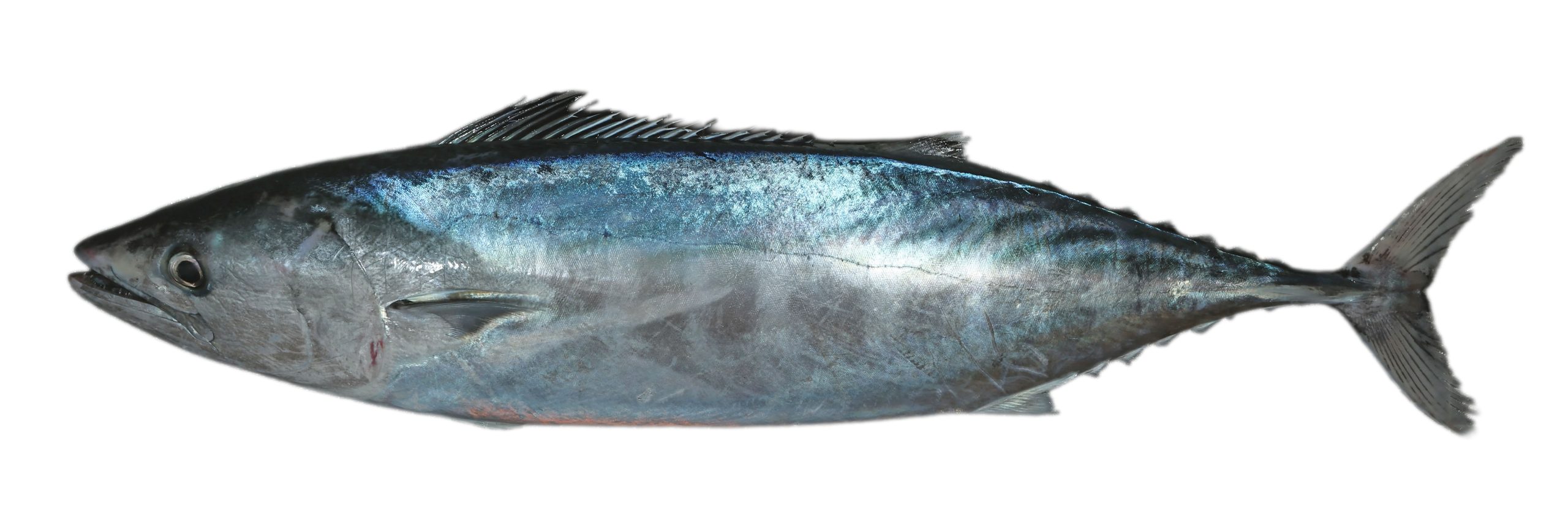
Sarda sarda (Atlantic bonito): a pelagic species found in the Atlantic Ocean and the Mediterranean Sea, highly prized in recreational and sport fishing. These fish undertake seasonal migrations associated with feeding and reproduction.
© ATLASea photo team
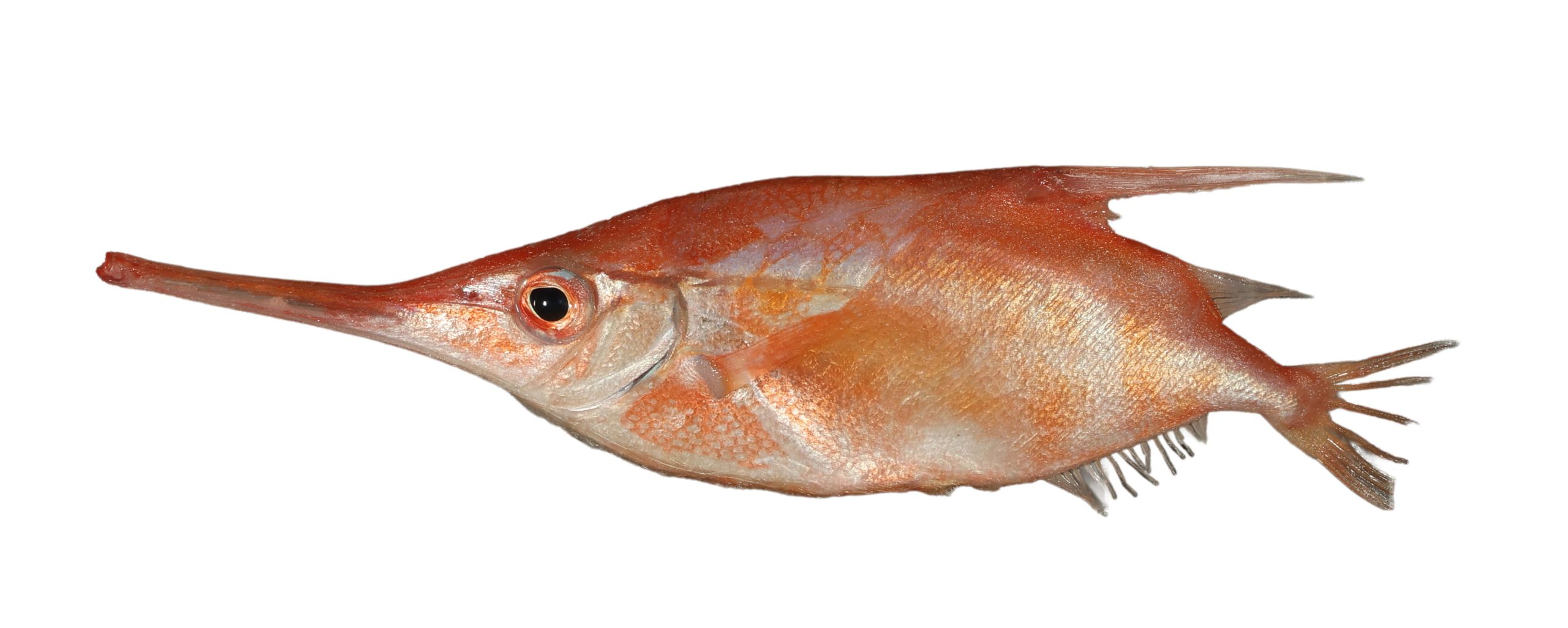
Macroramphosus scolopax (Longspine snipefish): The anatomical structure of its jaw enables it to capture prey with extremely rapid movements, on the order of 2 milliseconds. Similar mechanisms are found in related species such as seahorses and other syngnathids.
© ATLASea photo team
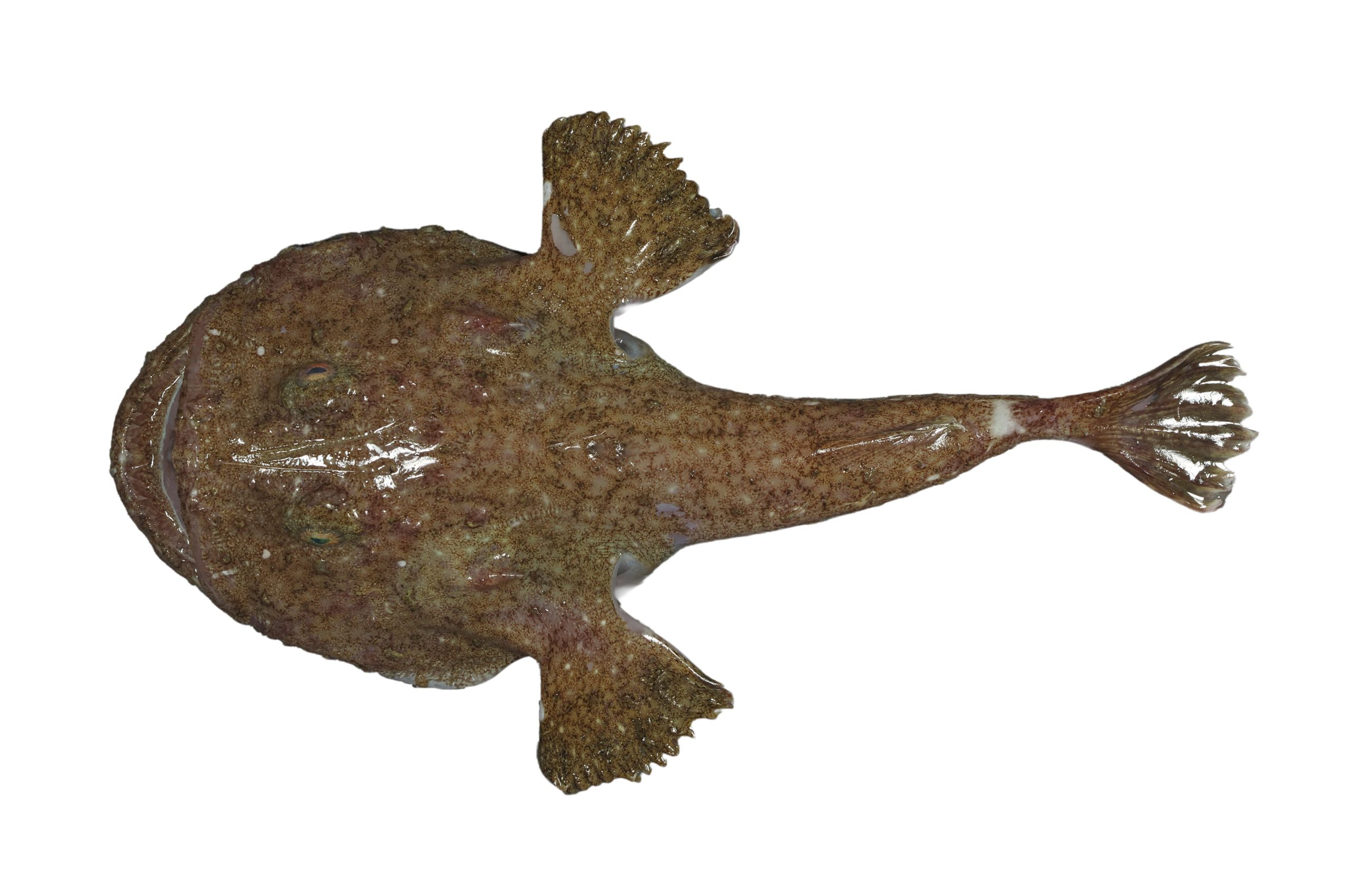
Lophius budegassa (Blackbellied anglerfish): a lure located at the front of its body allows this benthic predator to attract prey toward its mouth. Its sophisticated camouflage enables it to remain virtually invisible on the seafloor.
© ATLASea photo team
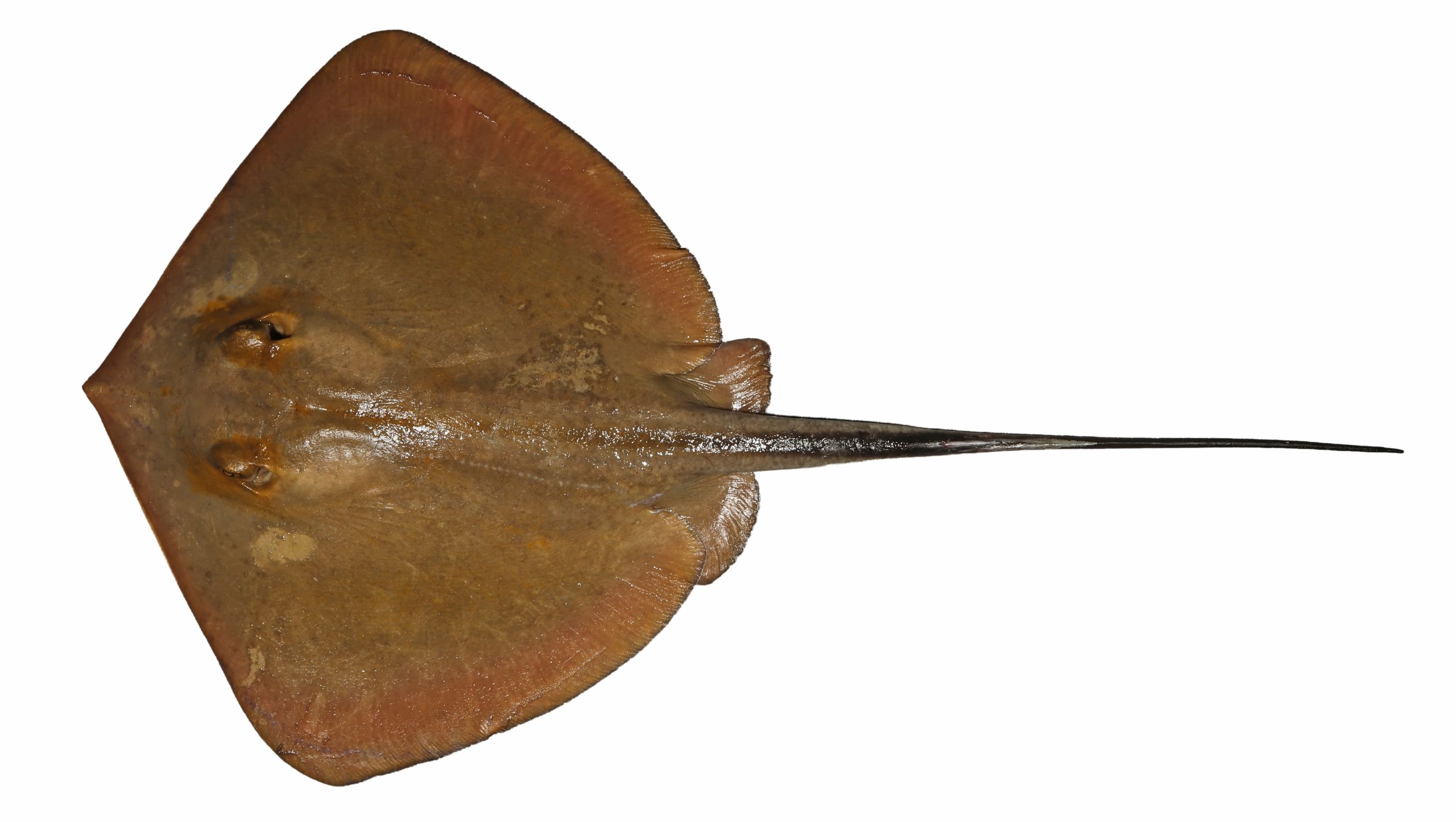
Dasyatis pastinaca (Common stingray): an iconic species of the French Atlantic and Mediterranean coasts. It is ovoviviparous: after a four-month gestation, the female gives birth to several fully independent young.
© ATLASea photo team