DIVE-Sea is responsible for coordinating the collection of marine eukaryotic organisms for the purpose of producing their reference genomes. This includes organizing sampling expeditions and partnerships with existing initiatives, accurately identifying collected specimens, preparing and preserving samples under optimal conditions for sequencing, and integrating specimens into the natural history collections of the Muséum national d’Histoire naturelle (MNHN).
1. Specimen collection
Where are collections carried out?
In the French Exclusive Economic Zone (EEZ), particularly at marine stations and coastal sites selected for their biodiversity, geographic location, and logistical feasibility.
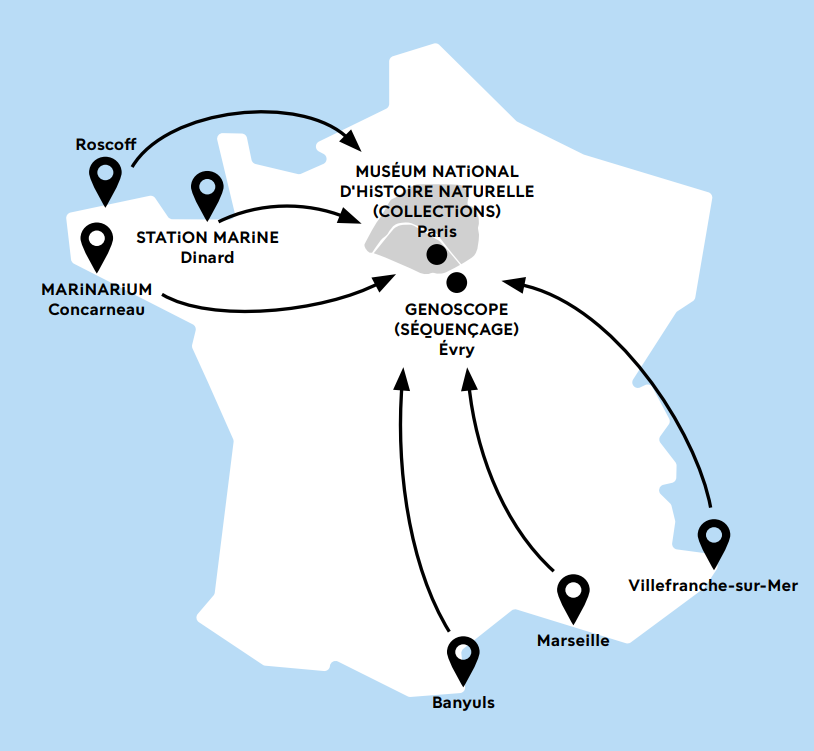
French National Inventory of Natural Heritage (INPN) lists nearly 12,000 marine species along the coasts of mainland France.
In addition, due to the rich biodiversity of the French overseas territories, DIVE-Sea also conducts sampling in representative biotopes such as coral reefs and mangroves in the Caribbean, Indian Ocean, Western and South Pacific.
Which marine species are targeted?
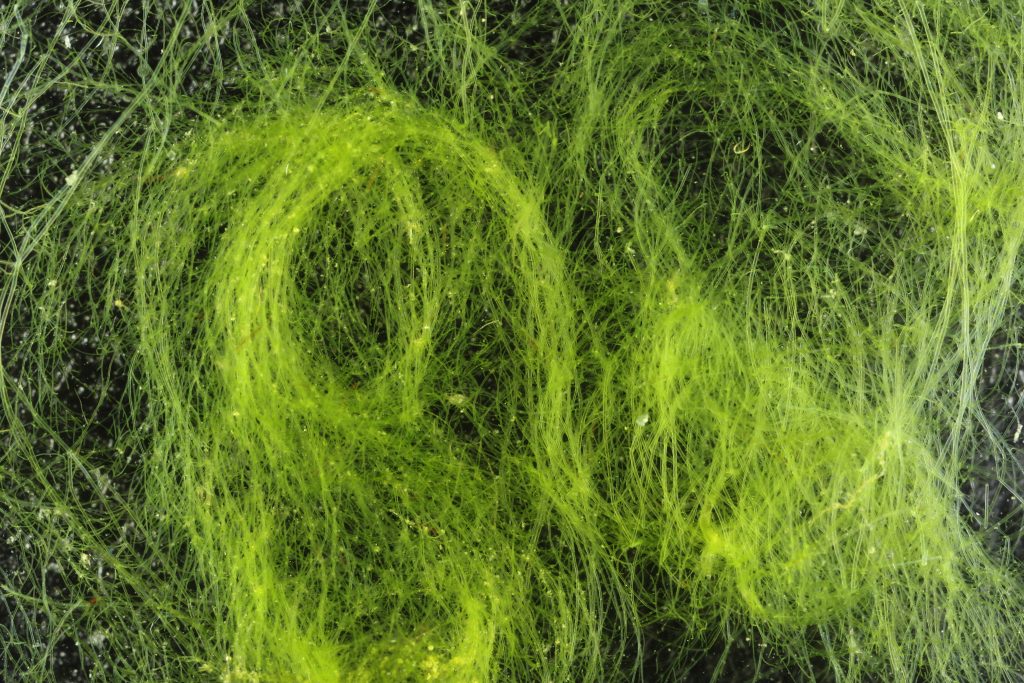
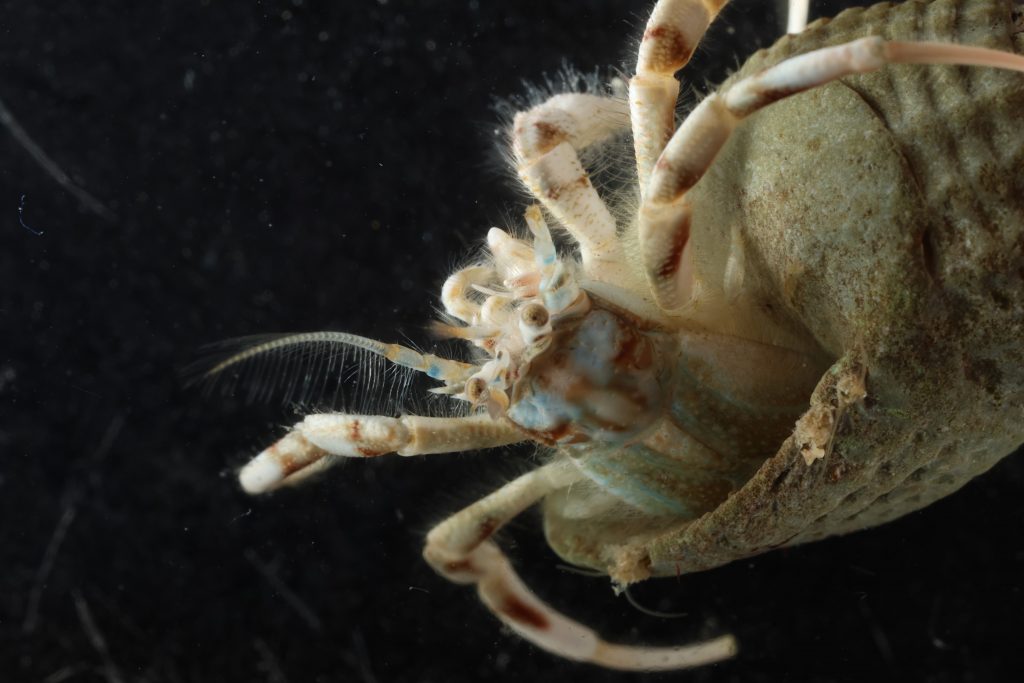
Macroalgae, marine plants, and invertebrates (e.g., mollusks, crustaceans, annelids, cnidarians, ascidians, sponges, etc.).
Fish (both cartilaginous and bony fishes – chondrichthyans and actinopterygians) are collected during fishing surveys (Ifremer has recorded ~1,200 species, including 900 benthic and pelagic ones, in the French EEZ).
Heterotrophic microalgae and protists are mainly collected through marine station culture collections, notably the Roscoff Culture Collection, the world’s largest and most diverse public repository of marine microorganisms.
What are the collection methods?
Marine biodiversity includes a vast range of microorganisms. To account for this diversity, ATLASea employs specialized collection protocols:
On the shoreline: visual sampling in the intertidal zone.
By divers: sampling of benthic species down to ~80 meters, using methods such as visual picking, underwater suction for soft bottoms, and scraping for hard substrates.
At sea: collection of pelagic, demersal, and benthic species from boats using nets, dredges, and sediment samplers.
The data from each sample (date, time, location, depth, habitat, etc.) is recorded and linked to the specimens.
Collected specimens are then transported to sorting stations (marine labs or field stations), where they are sieved, sorted, and identified before being sampled.
Some collections are carried out by “ambassador” scientists, experts in specific taxa.
2. Identification
Marine species are identified by professional and amateur taxonomists, both French and international.
Triage workshops and thematic training schools will be organized to foster the transfer of taxonomic expertise for the identification of specific groups.
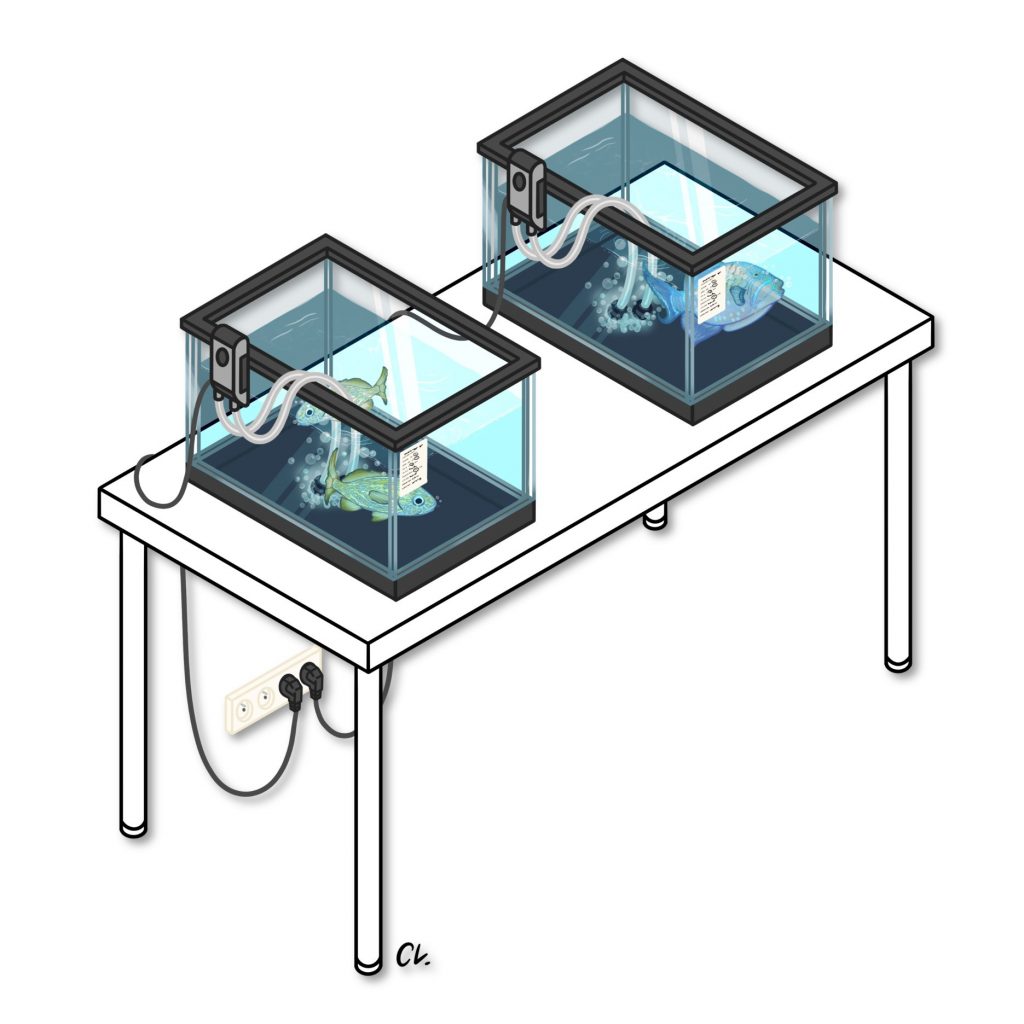
3. Sampling
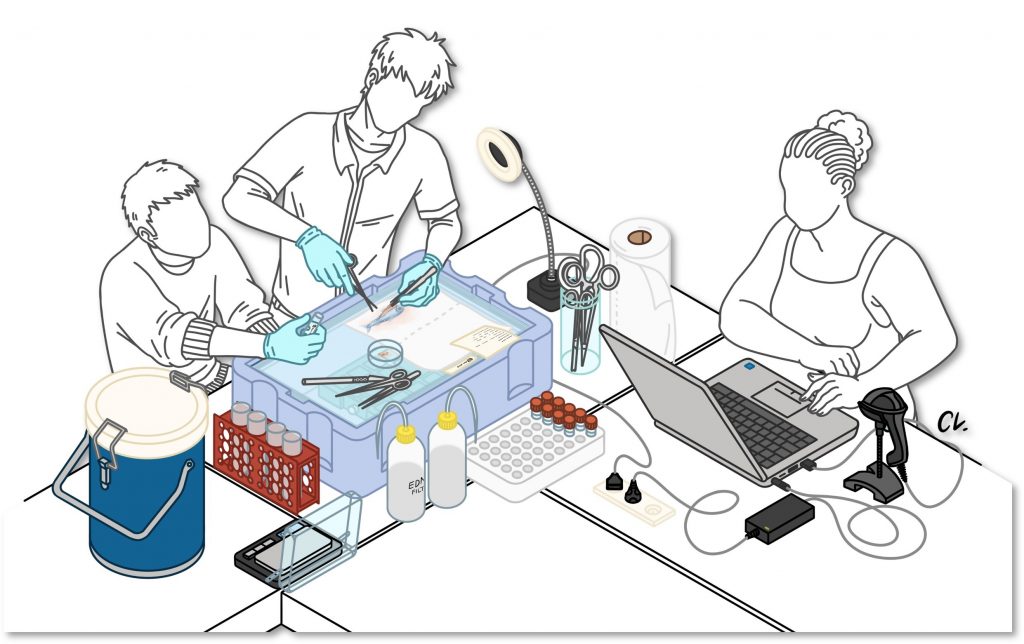
If a specimen has not already been sequenced by another consortium, it is sampled following this standardized procedure: anesthesia, euthanasia, photography, cleaning, dissection, sample tubing, assignment of a unique identifier, database registration, flash freezing in liquid nitrogen for DNA preservation, storage in ultra-cold freezers.
After each collection mission, the samples are transported in dry ice to Genoscope for the second stage of the program: : SEQ-Sea.
4. Add to collection
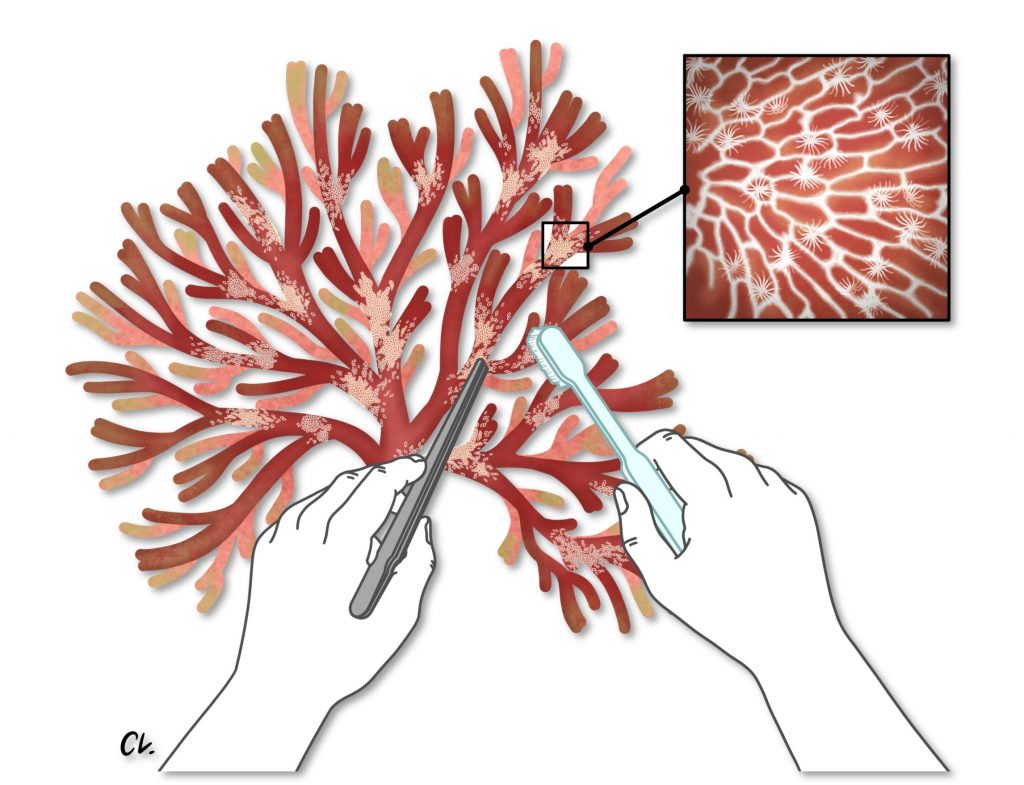
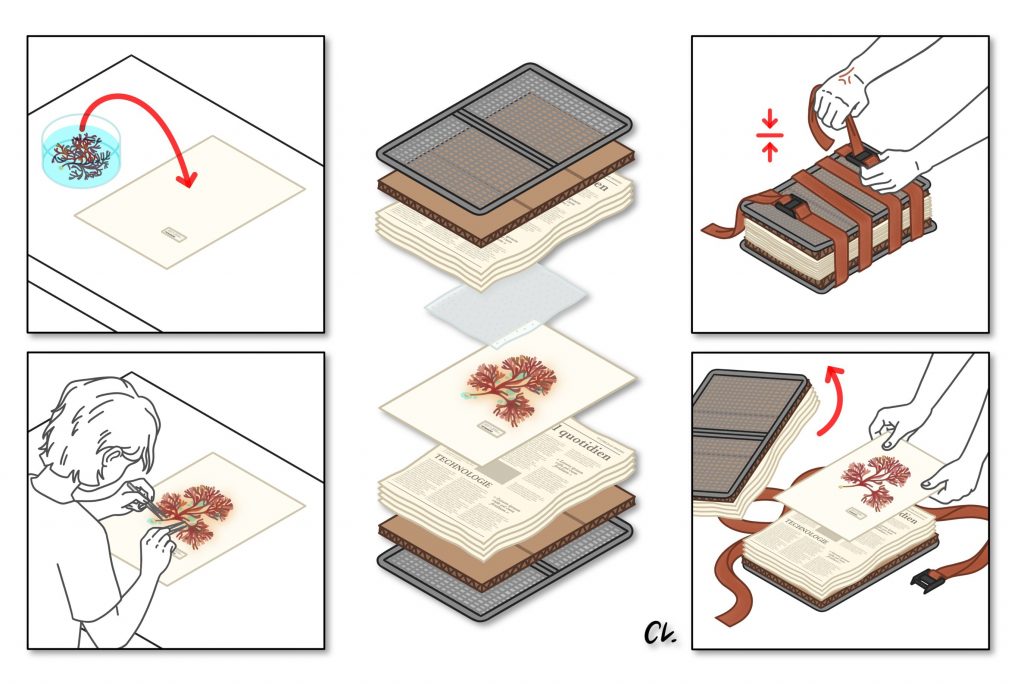
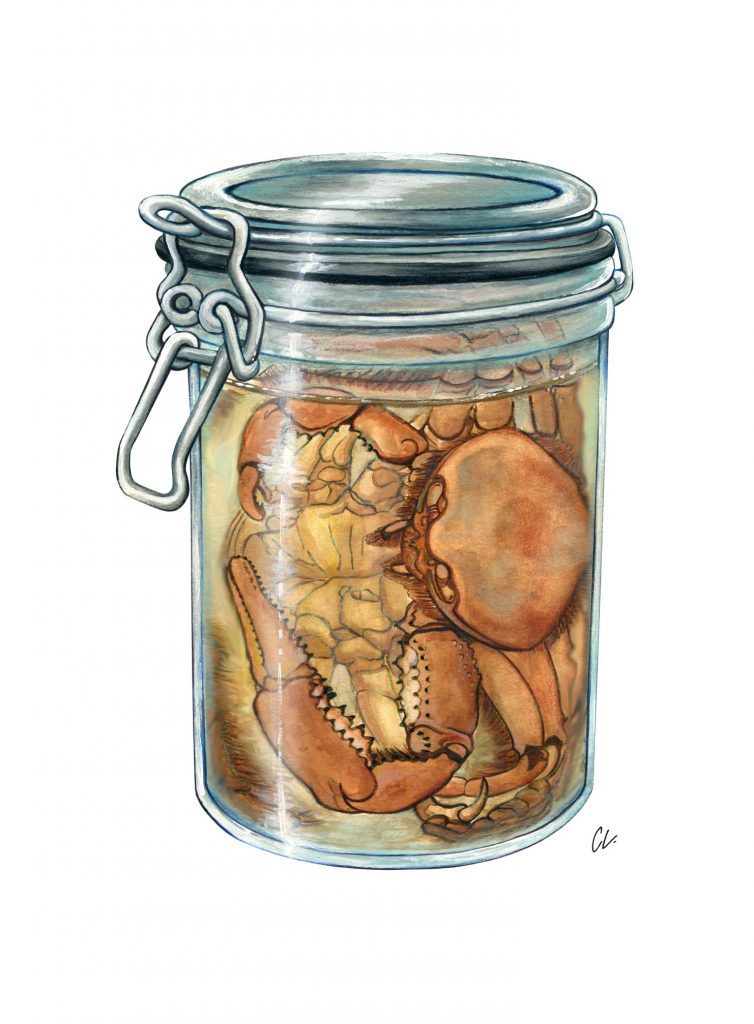
After tissue samples have been taken for sequencing, the reference specimens are added to the natural history collections of the Muséum national d’Histoire naturelle.
They are preserved in alcohol, dried, or cryopreserved, computerized, digitized, and made available to researchers.
Resources
ATLASea’s field missions, coordinated by the Muséum national d’Histoire naturelle and Ifremer, involve scientific and technical staff and deploy both onshore (field laboratories) and offshore resources. Some missions are carried out in synergy with other programs, such as the naturalist inventories of La Planète Revisitée or recurring Ifremer oceanographic campaigns, in order to leverage their logistics and technical infrastructures.
Organisation
Lead organisation : Muséum national d’Histoire naturelle (MNHN)
Scientific Lead : Bertrand BED’HOM
Project manager : Benjamin GIRARD
| Muséum national d’Histoire naturelle Team | Ifremer Team | Station biologique de Roscoff Team | Aix Marseille Université Team |
| Mélanie VAN WEDDINGEN Franck BELLUGEON Katia ORTIZ Laure CORBARI Nicolas PUILLANDRE Tatiana GAUCHE Célia CHAPELLE Alexandre JUREIDINI Oscar DEMONIO | Bruno ERNANDE Patrick DURAND Laura LEROI Grégory CARRIER Matthieu GARNIER Pauline AUFFRET | Charles BACHY Priscillia GOURVIL Hannah MOAL | Thierry PEREZ Marie GRENIER Christophe LEJEUSNE |
Correspondent at Institut de la Mer de Villefranche (IMEV): Lionel GUIDI & Manoela BRANDAO
Correspondent at Institut Méditerranéen de Biodiversité et d’Ecologie marine et continentale (IMBE): Pierre CHEVALDONNE
Correspondent at Sorbonne Université: Ian PROBERT
Funding
The exploratory research programme “ATLASea: Atlas of marine genomes” and DIVE-Sea targeted project (ANR-22-EXAT-0002) receive government funding managed by the Agence Nationale de la Recherche (ANR) under the future investment plan “France 2030”.