ATLASea funds 6-month Master 2 (M2) internships during the 2026/2027 academic year, aiming to accelerate the exploitation of marine genomic data through innovative research projects aligned with the program’s targeted themes. Below are the 6-months internships selected following the Master 2 Call 2027, set to begin in early 2027.
Application process: Interested students must apply directly to the internship (co-)supervisor(s) using the contact details provided in each project description. Student selection is at the sole discretion of the main supervisor.
ATLAS-grouper
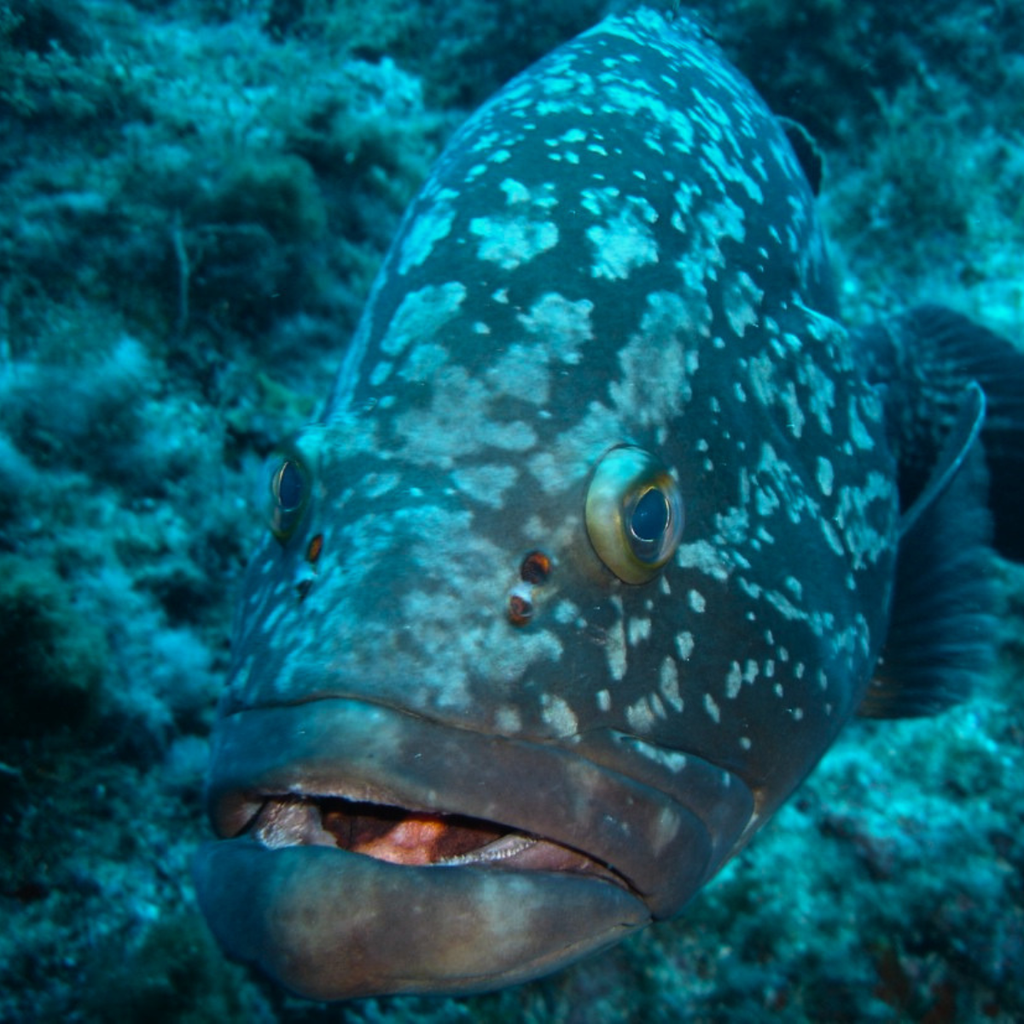
A genetic diversity atlas of a vulnerable and iconic species, the dusky grouper (Epinephelus marginatus): from phylogeography to conservation genomics
Population genomics Conservation genomics
Species genetic diversity Phylogeography Demography
About the project
Context and background
This master 2 project is embedded in the ANR DemoMar project (anr.fr/Projet-ANR-24-CE02-4266), a collaboration between three French research units (ISEM, Cefe, Marbec) to reconstruct recent demographic and spatial histories from genomic ancestry information in identity-by-descent (IBD) segments. DemoMar leverages new high-quality ATLASea reference genomes for three marine fish species of management or conservation concern (European sea bass, white seabream, dusky grouper), generating population-scale whole genomes to characterise within-species diversity and recent genealogy.
One DemoMar work package targets the dusky grouper (Epinephelus marginatus), an iconic fish of French Mediterranean Marine Protected Areas (MPAs) that recovered from a near collapse in the 1980s following effective conservation measures. It aims to reconstruct the spatial population pedigree of French MPA populations from fully phased genomes generated by haplotagging (linked-read) sequencing, to address the mechanisms behind this crash and recovery.
The proposed master 2 project extends this French MPA study into a rangewide context. The dusky grouper is a long-lived, site-faithful, protogynous hermaphrodite classified as Vulnerable by IUCN, with demographic declines exceeding 80% in several countries. Its range spans the Mediterranean, Eastern North Atlantic and Macaronesia, East and West coasts of the South Atlantic, and the south-western Indian Ocean. Yet rangewide genetic structure and demographic status remain poorly resolved due to limited marker resolution (Vaini et al. 2021; Correa et al. 2025). This project extends the DemoMar framework beyond French waters, covering the species’ full range.
Research questions
Does E. marginatus comprise genetically divergent evolutionary lineages across its range?
How does genetic diversity vary among regions/lineages?
What recent demographic processes (bottlenecks, inbreeding, migration) shape genomic ancestry patterns across populations?
Objectives
1. Test for divergent evolutionary lineages among Mediterranean/North Atlantic, South American, and South African populations, using whole-genome SNP data and phylogeographic approaches.
2. Quantify and compare levels of nucleotide diversity (Pi) among populations/lineages.
3. Characterize genome-wide landscapes of Runs-of-Homozygosity (ROH) per individual and relate ROH length/abundance distributions to demographic scenarios (historical bottlenecks, recent inbreeding, admixture), directly complementing DemoMar’s French Mediterranean study within a global context.
Methodology
The student will analyse whole-genome resequencing data for 96 individuals from 14 locations across the species’ range (Mediterranean: 48, North Atlantic: 20, South American: 24, South African: 4).
Bioinformatic steps will include:
(i) Read trimming/alignment to the reference genome;
(ii) Variant calling/genotyping;
(iii) Population structure/lineage delimitation (PCA, ADMIXTURE, phylogenomics);
(iv) Nucleotide diversity per population;
(v) ROH detection/dating per individual (RZooRoH, Forneris et al. 2026), interpreted against demographic scenarios (Ceballos et al. 2018). Analyses will run on host-team computing infrastructure.
Use of marine reference genomes
This project leverages the chromosome-level E. marginatus reference genome newly produced by ATLASea (GCA_982743775.1), essential for alignment, variant calling and ROH/IBD landscape analyses. Complementing this reference, the team is generating 96 whole genome sequences (sequencing launched in autumn, data by January; WGS ~10X depth, NovaSeq X), providing the first rangewide intraspecific diversity dataset for the species.
Expected results
This project will deliver the first genome-wide assessment of phylogeographic structure and diversity across E. marginatus‘ range, testing cryptic lineage divergence with conservation-unit implications. The rangewide ROH-based demographic assessment connects French MPA status to the global scale, extending DemoMar’s IBD framework and informing MPA managers on French conservation policy impact. Conducted ahead of DemoMar’s grouper analyses, this project will accelerate pipeline development for the PhD student on that work package, who will co-supervise the master’s student, and foster collaboration with Prof. Alexandre W. Hilsdorf (Brazil), who provided key samples.
References
• Ceballos et al. (2018). Runs of homozygosity: windows into population history and trait architecture. Nature Reviews Genetics 19:220-234.
• Correa et al. (2025). Development of genomic resources to support population assessment and breeding strategies in the dusky grouper. Aquaculture 743581.
• Forneris et al. (2026). Updating RZooRoH for the analysis of inbreeding, identity-by-descent and relatedness from genomic data. Molecular Ecology Resources 26:e70186.
• Vaini et al. (2021). Global population genetic structure of the dusky grouper (E. marginatus). Aquatic Conservation 31:2119-2130.
Supervisor
Pierre-Alexandre Gagnaire
| Hosting team | Host Structure |
| Evolutionary constraints and adaptative resilience | Institute of Evolutionary Science of Montpellier (ISEM, UMR5554) Place Eugène Bataillon, Montpellier, France |
Co-supervisor
Stéphanie Manel
| Hosting team | Host Structure |
| Biogeography and Vertebrate Ecology | Centre D’Ecologie Fonctionelle et Evolutive (CEFE-UMR 5175) Campus CNRS, 1919 route de Mende, Montpellier, France |
| 🗓️ Internship start date | 04 January 2027 |
Position filled – no longer accepting applications.
CGEX: Comparative Genomics of gene EXpansions
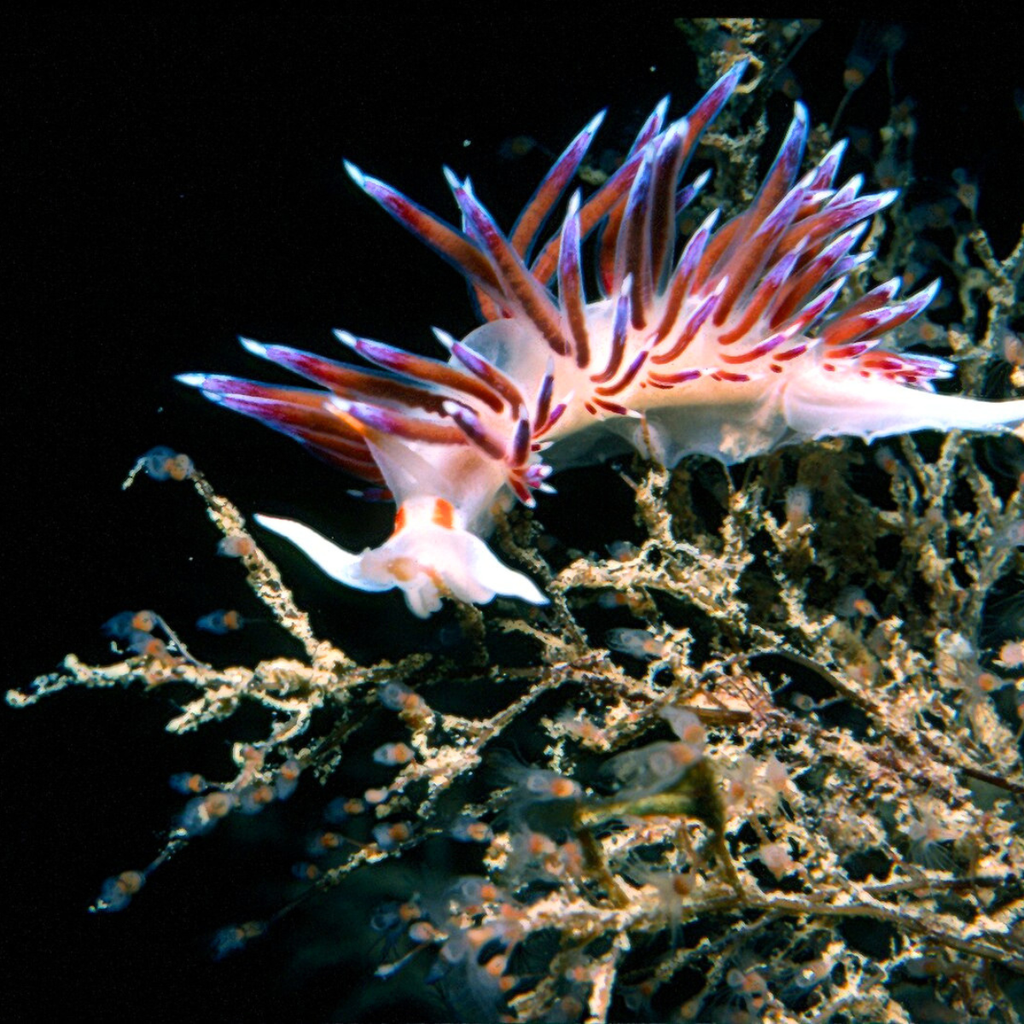
Developing a comparative genomics approach using chromosome-scale reference genomes to investigate gene family expansions and chromosome evolution: a case study in nudibranchs
Genome evolution Bioinformatics Genome structure and organization
Comparative genomics Multigene family Duplication Reference genome Nudibranch
About the project
Context and background
Gene duplications, whether resulting from whole-genome duplication, segmental duplication, or tandem duplication, are an important driver of evolution and the functional diversification of gene repertoires (Copley, 2020). These events generate new gene copies that may acquire modified or entirely new functions, thereby contributing to the evolutionary plasticity of species. They can lead to the formation of multigene families whose size and composition may vary greatly among lineages. Copies resulting from tandem duplications may remain clustered within the genome (Noel, 2024) or, conversely, become progressively dispersed through chromosomal rearrangements (Denoeud, 2014). The conservation or dispersion of these families may therefore depend both on the history of the duplications and on the lineage-specific dynamics of chromosome evolution.
Recent advances in sequencing and genome assembly technologies have led to a growing number of chromosome-scale reference genomes, including for non-model organisms. The ATLASea project, which aims to generate reference genomes for 4,500 marine species, thus provides an exceptional resource for studying the joint evolution of gene families and genome structure. In particular, ATLASea has generated the largest collection of nudibranch (sea slugs) genomes to date, providing an opportunity to investigate gene family evolution and chromosomal organization across this relatively poorly explored lineage.
Research questions and objectives
This internship will investigate the evolution of multigene families, with a particular focus on the relationship between gene family expansion and chromosomal organization. The central question is how the chromosomal organization of expanded gene families changes over evolutionary time in relation to the age of the expansion and the history of chromosome evolution. The approach will first be applied to nudibranchs to explore the diversity of gene family expansion trajectories within this lineage.
Methodology and use of marine reference genomes
Orthogroups will be constructed from a set of reference genomes using OrthoFinder v3 (Emms, 2026). The ability of this approach to incorporate newly annotated genomes into pre-existing orthogroups will be evaluated on a controlled dataset. An annotation quality-control and filtering step will be implemented to limit the impact of fragmented genes, redundant isoforms, and annotation models that could generate spurious gene family expansions. Gene families showing expansions at different nodes of the phylogenetic tree will then be identified from the orthogroups and gene trees.
For selected families, chromosomal locations of gene copies will be examined to distinguish tandemly duplicated copies from copies that have subsequently become dispersed to other loci or chromosomes. These locations will also be compared with ancestral chromosome organization, in particular using ancestral linkage groups (ALGs) (Istace, 2026). The chromosome-scale genomes generated by ATLASea will constitute the main dataset for this analysis, with an initial application to nudibranchs.
Expected results
The internship will provide a validated and reproducible approach for identifying gene family expansions from newly annotated genomes. It will be applied to nudibranchs as a case study, providing an initial characterization of the chromosomal organization of these expanded gene families.
In the longer term, this approach could be extended to other marine lineages to investigate how the history of gene duplications and chromosome evolution influences the conservation, dispersion, and diversification of gene families. It could in particular be used to determine whether certain types of gene families are preferentially amplified in particular lineages or evolutionary contexts, and to explore the potential role of these expansions in the adaptation and diversification of marine organisms.
References
• Copley SD. Evolution of new enzymes by gene duplication and divergence. FEBS J. 2020 Apr;287(7):1262-1283. doi: 10.1111/febs.15299.
• Denoeud F, Carretero-Paulet L, Dereeper A, et al. The coffee genome provides insight into the convergent evolution of caffeine biosynthesis. Science. 2014 Sep 5;345(6201):1181-4. doi: 10.1126/science.1255274.
• Emms DM, Liu Y, Belcher L, Holmes J, Kelly S. OrthoFinder: improved phylogenetic orthology inference with enhanced accuracy and scalability. Nat Methods. (2026). doi: 10.1038/s41592-026-03126-6. doi: 10.1038/s41592-026-03238-z.
• Istace B, Denoeud F, Téodori E, Chorba N, Aury JM. Hobrac: a reference-guided workflow for genome comparison and synteny visualization. BioRxiv preprint. 2026 https://doi.org/10.64898/2026.07.17.739168
• Noel B, Denoeud F, Rouan A, et al. Pervasive tandem duplications and convergent evolution shape coral genomes. Genome Biol. 2023 Jun 1;24(1):123. doi: 10.1186/s13059-023-02960-7.
Supervisor
France Denoeud
| Hosting team | Host Structure |
| Bioinformatics Laboratory for Genomics and Biodiversity (LBGB) | CEA, Institut de biologie François Jacob, Genoscope 2 Rue Gaston Crémieux, Évry, France |
| 🗓️ Internship start date | 01 February 2027 |
ChaetExplore
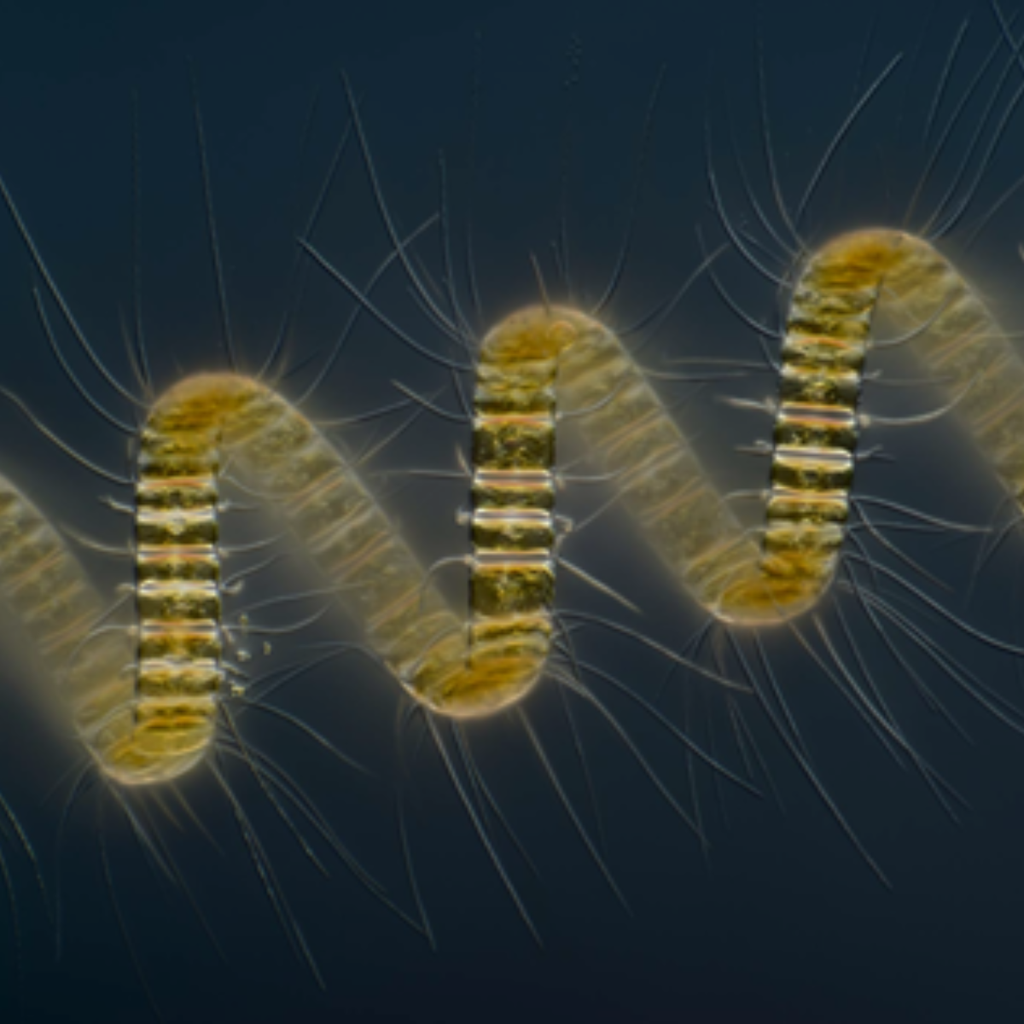
Exploring genomic diversity in the diatom Chaetoceros with ATLASea reference genomes
Environmental genomics Computational functional genomics Genome evolution Genome structure and organization
Chaetoceros Phytoplankton Genome structure Evolution Adaptation
About the project
Context and background
Chaetoceros is a diverse and widespread marine diatom genus whose ecological diversification remains poorly understood at the genomic level. ATLASea will provide five telomere-to-telomere genome assemblies with Hi-C data. These references offer access to the chromosomal context of gene-family variation and transposable elements (TEs). We propose to compare them with the Chaetoceros Genome Annotation Project dataset coordinated by our laboratory, comprising more than 21 cultured-strain genomes and ten Tara Oceans metagenome-assembled genomes (MAGs).
Research questions and objectives
The central question is how gene-family diversification and its genomic context differ among Chaetoceros lineages. We will test whether selected families show lineage-specific duplications or losses, and whether these changes coincide with local differences in synteny or TE content. The student will investigate several gene families in depth, selected from nutrient acquisition or stress-response functions after initial screening.
Methodology and use of marine reference genomes
Data preparation will be a short enabling phase using the structural and functional annotation pipelines already established in our laboratory. Supplied gene models will be assessed and harmonised. The student will check assembly and gene-space completeness, annotation consistency and repeat content, then use existing orthology and phylogenomic workflows to place the five genomes within the comparative dataset. Pipeline installation and tool development are not internship objectives.
The main work will be to select informative lineage contrasts and interpret candidate families. Orthogroup profiles will guide selection, followed by gene-tree analysis, domain annotation and inspection of gene models and genomic neighborhoods. Close relatives will provide the main comparisons, with broader taxon sampling to interpret evolutionary changes.
A focused complementary analysis will compare TE family composition and the local synteny of candidate loci in suitable chromosome-scale genomes. Hi-C contact maps will help assess assembly support at candidate structural differences.
Work plan and expected results
Month 1 will cover data assessment, harmonisation and selection of candidate families; months 2-4 will focus on family evolution and genomic context; month 5 will address validation and ecological interpretation where feasible; month 6 will consolidate results and the dissertation.
The core deliverable is a curated comparative analysis of several gene and TE families, with reproducible code, comparative tables and figures documenting supported lineage differences.
The student will gain experience in hypothesis formulation, comparative genomics and critical interpretation. Results and compatible annotations will be returned to ATLASea and may support a consortium publication under agreed sharing terms.
References
• De Luca D. et al. (2019). A multigene phylogeny to infer the evolutionary history of Chaetocerotaceae (Bacillariophyta). Molecular Phylogenetics and Evolution 140:106575.
• Delmont T.O. et al. (2022). Functional repertoire convergence of distantly related eukaryotic plankton lineages abundant in the sunlit ocean. Cell Genomics 2:100123..
• Ibarbalz F.M. et al. (2019). Global Trends in Marine Plankton Diversity across Kingdoms of Life. Cell 179:1084-1097.e21.
Supervisor
Chris Bowler
| Hosting team | Host Structure |
| Phytogenomics | IBENS 46 rue d’Ulm, Paris, France |
Co-supervisor
Tom O Delmont
| 🗓️ Internship start date | 04 January 2027 |
ECHINOGEN
ECHInoderm GENe repertoire evolution
Genome evolution Bioinformatics
Echinoderms Comparative genomics Evolution Phylostratigraphy
About the project
Context and background
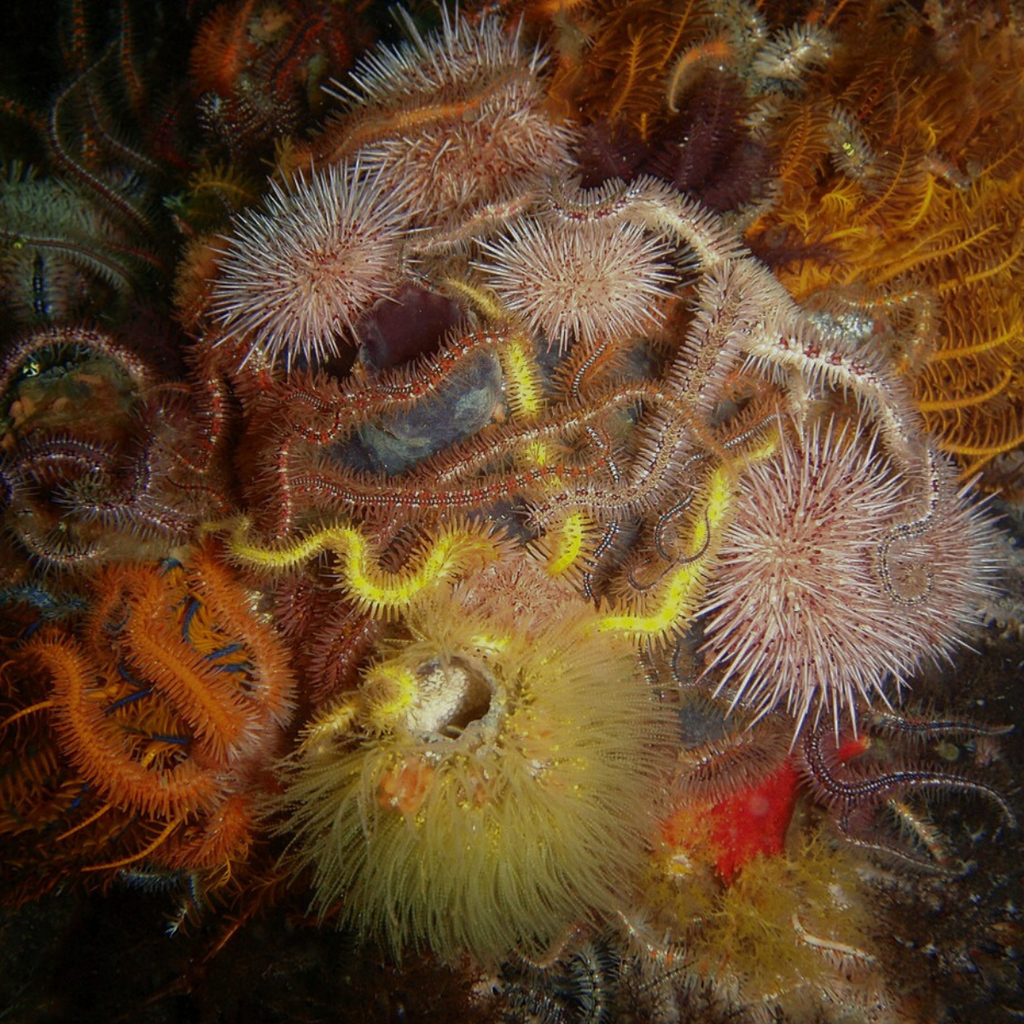
Echinodermata is a phylum represented by around 8000 extant marine species. It includes five classes: starfishes (Asteroidae), brittle stars (Ophiuridae), sea urchin (Echinoidea), sea cucumber (Holothuroidae), and sea lilies (Crinoidae). Echinoderms are remarkable from an evolutionary perspective, as they constitute the second largest clade of Deuterostomia after Chordata. They exhibit unique phenotypic features, most notably their pentaradial symmetry and extraordinary regeneration abilities (1). Previous genomic studies have shown that, despite their unique features, most of the echinoderm gene repertoire was inherited from the deuterostome ancestor (2). However, notable changes in gene repertoires have been linked to class-specific traits across echinoderms, this includes correlated loss and acquisition of sterol biosynthesis enzymes associated with chemical defense in sea cucumbers (3) or recurrent duplications of regeneration-related genes across echinoderms (4). Yet, previous comparative studies have been limited to a handful of species due to a lack of genomic resources in the clade.
Research questions
Today, 190 scaffold-level genomes from the five classes are available in NCBI. ATLASea has already released 15 genomes of Echinodems, and plans at least 73 additional assemblies. These resources offer exciting new opportunities to investigate evolutionary processes at an unprecedented scale.
Our central question is how gene repertoire evolution has contributed to the specificities and diversification of Echinoderms. Specifically:
1. Which gene families were inherited from the Deuterostome ancestor.
2. Which gene families were gained or lost specifically in Echinoderms?
3. What class-specific innovations occurred in metabolic and developmental pathways?
Objectives
Our project proposes to leverage newly sequenced genomes, in particular the expanding genomic resources generated by ATLASea, to establish a standardized comparative genomic framework across echinoderms. We will characterize the extent to which gene gains and loss events shape the evolution of Echinoderms and conduct preliminary investigations of key metabolic and developmental pathways linked to echinoderm-specific traits.
Methodology and use of marine reference genomes
1. Genome selection: We will select 30-40 echinoderm genomes, prioritizing assembly contiguity and maximizing taxonomic coverage. This set will combine annotated RefSeq genomes and unannotated genomes.
2. Genome annotation: Unannotated genomes will be subjected to standardized annotation using EgapX, the public version of the RefSeq annotation pipeline, which can be applied to non-repeat masked genomes. Annotation quality will be assessed using complementary tools (OMArk, PSAURON).
3. Orthology inference: We will predict orthology relationships among genes from echinoderm and outgroup Protostomia and Chordata species using OrthoFinder and OrthoInspector. The use of independent approaches will allow us to assess the robustness of orthology assignments.
4. Phylostratigraphy inference: Using a presence-absence approach, we will identify gene families that are (1) specific to echinoderm, (2) specifically lost in echinoderms, (3) lost or gained in any of the five echinoderm classes. These gene families will be functionally characterized using gene enrichment methods.
5. Evolution of targeted pathways: We will build on previously characterized gene sets to investigate, across a broader range of species, the evolution of sterol metabolic pathways associated with defense mechanisms, as well as regeneration-associated signaling pathways (Wnt/β-catenin, FGF).
Expected results
– A standardized resource of gene annotations, orthologous groups and their predicted functions made available to the community through an associated publication.
– The first large-scale comparative studies of gene repertoire evolution across all five echinoderm classes, providing a comprehensive framework for investigating gene family evolution across the phylum.
– Initial insights into the genetic basis of toxicity and regeneration, based on targeted analyses of the corresponding gene repertoires and pathways.
– A foundation for further comparative genomics analysis, including ancestral genome and gene order reconstruction, as well as genotype-phenotype associations based on phylogenetic profiling using OrthoInspector and Profylo. These analyses will identify candidate genes for environmental adaptation (deep-sea vs intertidal lifestyle) and reproductive mode, and uncover new candidate genes for toxicity and regeneration.
References
(1) Medina-Feliciano, J. G. & García-Arrarás, J. E. Front. Cell Dev. Biol. 9, 768641 (2021)
(2) Foley, S. et al. Genomics 114, 110431 (2022)
(3) Thimmappa, R. et al. Nat. Chem. Biol. 18, 774–781 (2022)
(4) Parey, E. et al. Nat. Ecol. Evol. 8, 1505–1521 (2024)
Supervisor
Odile Lecompte
| Hosting team | Host Structure |
| Complex Systems and Translational Bioinformatics | University of Strasbourg 1 Rue Eugène Boeckel, Strasbourg, France |
Co-supervisor
Yannis Nevers
| 🗓️ Internship start date | 04 January 2027 |
Position filled – no longer accepting applications.
GREENLOCI
Genomics of green-algal genes in ATLASea ochrophyte: loci, context, and regulatory mechanisms
Genome evolution
EGT Plastid Evolution Diatoms Genome structure
About the project
Scientific description
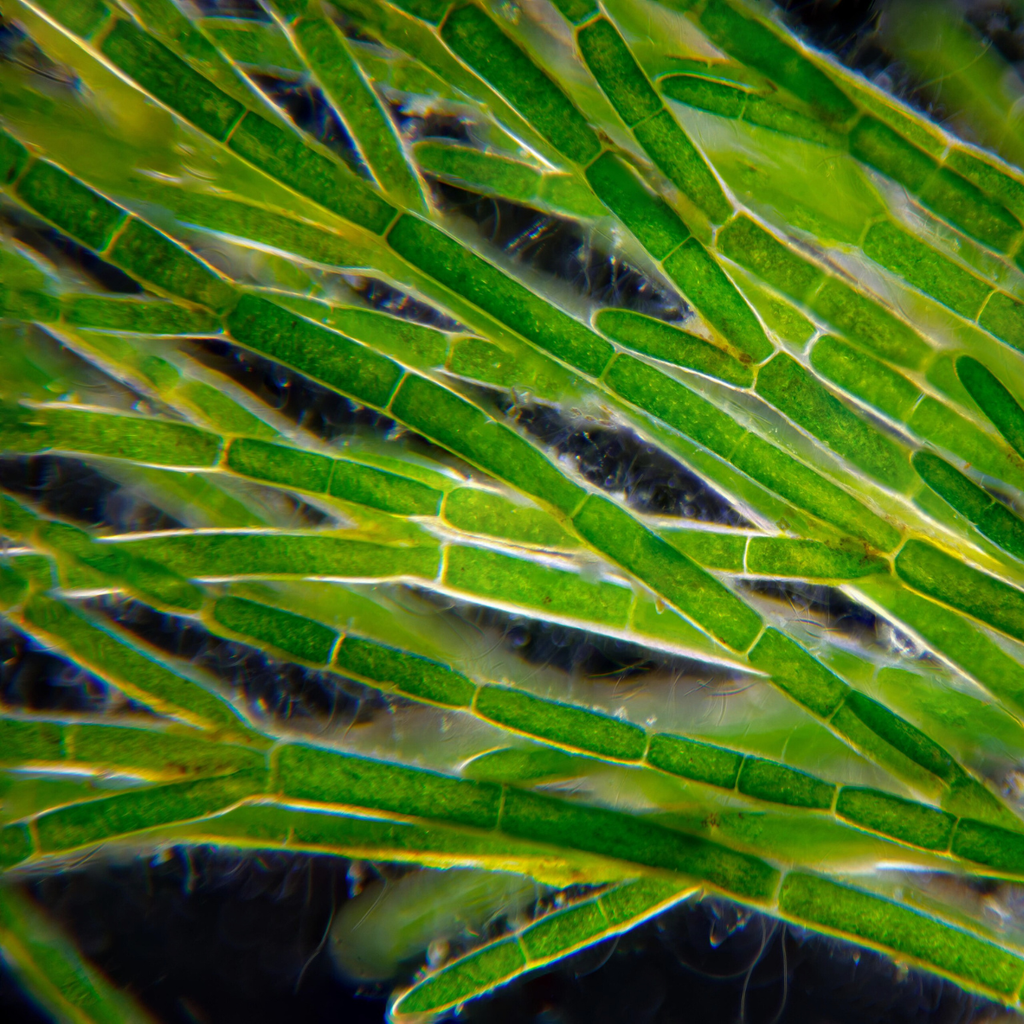
Diatoms and other ochrophytes acquired their plastid from a red alga, yet phylogenomic studies have repeatedly detected hundreds of nuclear genes of apparent green-algal origin (1). While the exact size and meaning of this « green signal » remain uncertain (2), it has been persistently detected and is now established as a major driver in diatom evolution (3). Less information has been obtained regarding the genomic contexts in which these green genes reside, as many have only been documented in transcriptome data (4). Understanding their chromosomal location, adjacent regulatory elements and chromatin context is essential to understand their functional role in diatom evolution and in the ocean.
I have built a robust phylogenomic framework of >1,000 species (~150 green algae, ~80 diatoms) from transcriptome data, allowing a comprehensive evaluation of the green signal across ochrophytes. In GREENLOCI, the student will search for homologues of these genes in ATLASea genomes from 29 RCC strains (9 diatoms, 2 pelagophytes, 1 haptophyte and 17 green alga). This will not only improve our understanding of the diversity of the green signal (5 diatom and 1 pelagophyte genera missing from our dataset; 17 green algae mainly represented by transcriptomes), but also allow us for the first time to test its genomic contexts. This includes identifying where genes shared between green algae and diatoms are located in ochrophyte and prasinophyte genomes, their intron content, and adjacent regulatory elements (promoters, enhancers). Only genomes can demonstrate how incoming transferred genes are domesticated by the host nuclear and plastid machinery.
Objectives
Two questions requiring genome assemblies:
1) Authenticity: are green-affiliated candidates physically encoded in the nuclear genomes of diatoms and pelagophytes? The student will determine presence/absence, chromosomal location, intron structure and flanking-gene context, and flag contamination-like loci (isolated contigs, atypical composition).
2) Genomic integration: how do validated green-derived genes differ from red-derived and vertically inherited genes in the same genomes? The student will compare intron density, GC and codon usage, chromosomal position and duplication. If green genes were acquired in the ochrophyte ancestor, they should be as integrated as red-derived genes.
Methods
The project will develop an automated framework that screens and classifies all candidates jointly. Input data will come from my current phylogenomic framework, alongside control green- and red-origin plastid-targeted families from previous studies (3). As ATLASea gene models are not yet released, candidates will be mapped to assemblies by spliced protein-to-genome alignment (miniprot).
Each recovered locus will receive (i) a genomic score (chromosomal context, introns, composition relative to the host genome) and (ii) a phylogenetic score from automated parsing of single-gene trees (EukPhylo, ETE3), since a genomic hit may be a paralog rather than the green copy. Loci will be classed as validated green, red/other, contradicted, absent or ambiguous. Thresholds will be calibrated on the red and BUSCO control sets, not on candidates, and checked manually on a random subset. Candidates will also be searched in the 17 green genomes to enlarge donor-side sampling.
In parallel, predicted intron sequences, promoters, and adjacent TEs will be mapped. A pilot collaboration with Ansgar Gruber (University of South Bohemia) will use an automated script to extend gene models in genomes to the farthest potential encoded methionine, and upstream regions will be compared for shared motifs. To resolve physiological roles of these genes, homologues of each including their regulatory sequences will be extracted from Tara Oceans metagene data, using TAPAS, a tool developed in my postdoc (Kumar, Leleu & Dorrell, in prep).
Timeline
M1 (Jan 2027): genome retrieval and QC; pipeline set-up and validation on controls.
M2: joint screen, automated classification and calibration.
M3: comparative analyses of genomic integration and regulatory elements.
M4: Tara Oceans mapping.
M5: buffer and integration.
M6: report and defence.
Integration and expected outcomes
The internship is a self-contained module of an ongoing project: the student works on the genome side while the supervisor carries out the phylogenetic analyses (timing, donor identity).
Expected outcomes are:
(i) A validated set of green-derived genes in ochrophytes.
(ii) A comparative description of their genomic features in chromosome-scale assemblies.
(iii) a reusable pipeline for validating gene-transfer candidates in ATLASea genomes. Results will form a core section of a manuscript planned for submission in 2027, co-authored by the student.
References
(1) Moustafa et al. 2009 Science
(2) Deschamps & Moreira 2012 Genome Biol Evol.
(3) Dorrell et al. 2017 eLife.
(4) Van Vlierberghe et al. 2021 BMC Res Notes.
Supervisor
Marie Leleu
| Hosting team | Host Structure |
| Horizontal Evolution of Algal Lifestyles (HEAL) | CQSB – UMR 7238 – Biologie Computationnelle, quantitative et synthétique – CNRS 7 quai Saint Bernard, Paris, France |
Co-supervisor
Richard Dorrell
| 🗓️ Internship start date | 04 January 2027 |
hydrogen
Non-coding DNA conservation in hydrozoan genomes
Computational functional genomics Genome evolution Bioinformatics
Genome alignment Cnidaria Non-coding
About the project
Scientific description
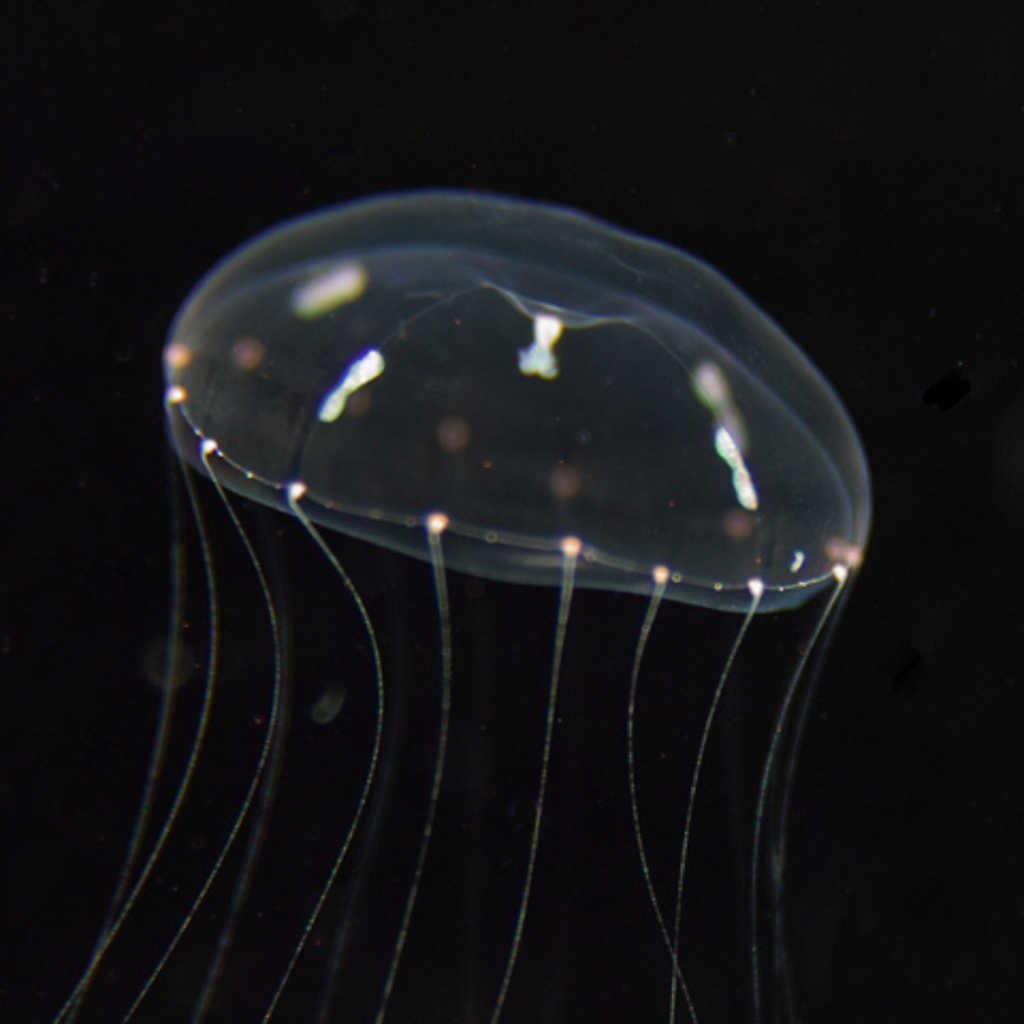
The Cnidaria, jellyfish, corals and sea anenomes are the closest living relatives of the Bilateria – nearly all other animals – making them fundamental to understanding the broad picture of animal evolution and systems such as nerves and muscles. In collaboration with others, the team has carried out extensive work on the genome and transcriptome of the medusozoan cnidarian Clytia hemisphaerica, including production of chromosome level genome and annotation, and single cell transcriptomic data sets. Recently, under the umbrella of large scale biodiversity genome sequencing projects such as ATLASea (FR) and The Darwin Tree of Life (UK), the genomes of two species closely related to Clytia have been sequenced to chromosome level, namely Amphisbetia operculata and Sertularella gayi, both leptothecatans. In addition, further more distantly related species have high quality genome sequence data available (the anthoathecatans Hydra vulgaris, Hydractinia symbiologicarpus and Podocoryne americana).
Objectives
The aim of this project is to establish the degree of conservation of non-protein-coding sequence within these taxa. Non-coding sequence is crucial to understand gene regulation, and functional transcription factor binding sites are likely to be more conserved than background non-coding DNA. Such sites, however, evolve quickly, and finding the most useful genome comparisons to highlight their conservation may be challenging. Accordingly, we aim to align the Clytia genome to the genomes highlighted above, of differing degrees of divergence, but all from the cnidarian clade of Hydrozoa.
Methods
Two strategies are envisaged.
Firstly, we will examine the feasibility of whole genome alignment (i.e. ignoring gene information, using e.g. Cactus or Blastz/Multiz) starting with the most closely related species and examining decay of sequence conservation as phylogenetic distance increases.
Secondly, in cases where genomes are too divergent to allow global nucleotide level alignment, we will identify orthologous genes (i.e. the same genes in different species) and use these as anchors to examine the conservation of their surrounding sequence, testing the hypothesis that even without obvious alignable nucleotide level conservation, regions may contain conserved enrichments of particular binding sites. Using our Clytia single cell transcriptomic data, we have been able to identify sequence motifs that are enriched in genes specifically expressed in certain cell-types, for example, POU4 as a regulator of cnidocytes (stinging cells), and we will investigate their modes of conservation around cell type marker genes.
Expectations
This is an entirely computational project that will develop skills in large-scale sequence analysis within an evolutionary genomics framework. At the same time, our rich single cell datasets will enable a grounding of hypotheses for transcriptional regulation in experimental data.
Some prior computational experience and familiarity with unix is highly desirable.
Supervisor
Richard Copley
| Hosting team | Host Structure |
| Genome and Protein Evolution in Animals | Laboratoire de Biologie du Développement de Villefranche-sur-mer (LBDV), CNRS UMR7009 181 Chemin du Lazaret, 06230 Villefranche-sur-mer, France |
| 🗓️ Internship start date | 01 February 2027 |
SAGA
Screening the ATLASea Genome resource for Atypical chromosomes
Genome evolution Bioinformatics Genomes and metabolic pathways Genome structure and organization
Kmer heterogeneity Assembly Completeness Evolution
About the project
Context and background
Atypical chromosomes, first described over a century ago, are known by many names such as dispensable, outlier, accessory, supernumerary, mini or B chromosomes. Advances in sequencing technologies have now revealed their complete gene content and architecture across more than 2000 species, spanning mammals, arthropods, plants, fungi, and understudied protist lineages (1). Once dismissed as rare genomic oddities, these chromosomes are now recognized as widespread, dynamic genomic elements that can drive rapid evolutionary change (2). This project will leverage available genome assemblies to explore the diversity, function, and evolutionary processes underlying the origin of atypical chromosomes in two marine lineages: Fungi and Chlorophyta. These lineages include both extremely compact haploid as well as very large diploid assemblies (3) with sufficient knowledge on atypical chromosomes to benchmark the sensitivity and accuracy of bioinformatic approaches before application to additional phyla across the eukaryotic tree of life.
Research questions
The two main research questions are :
(1) What is the prevalence of atypical chromosomes in marine reference genomes?
(2) What are the mechanisms at the origin of atypical chromosomes?
Objectives
The first objective will be to assess the presence absence of atypical chromosomes in assemblies where they are expected. As a benchmark, we will evaluate the presence or absence of well known candidate mating type chromosomes in Fungi (1) and Chlorophyta (4). Using mating type chromosomes to detect atypical chromosomes is justified by the ease of detecting mating type loci, as the mating type region is typically flanked by one or two conserved flanking regions containing housekeeping genes.
The second objective will be to reinvestigate datasets where the aytpical chromosomes are detected but their sequence is incomplete, to improve their assembly.
The third objective will be to analyse the function and evolutionary origin of the gene families present in atypical chromosomes, to elucidate the mechanisms at their origin : translocation (5), horizontal gene transfers or specific mutation rates (6).
Methodologies
1 . Available marine genome assemblies will be processed to detect heterogeneous k-mer composition between and within scaffolds to detect outlier scaffolds and outlier regions within scaffold, respectively. For each assembly, we will estimate the likelihood of atypical chromosome presence/absence and assess atypical chromosome completeness statistics. Raw data from assemblies with expected atypical chromosomes will be reassessed to either confirm the absence of sequence data or to reassemble and update the assembly.
2. Gene annotations within candidate atypical chromosomes and regions will be used to reconstruct orthologous gene families to investigate the functional repertoire of protein coding gens in atypical regions.
3. Phylogenetic analyses of of the subset of gene families with representative in distant lineages will be used to detect HGT. Dinucleotide analyses of complete atypical region will be used to detect different mutation spectra (6) in atypical regions.
Use of marine reference genomes
All marine genomes sequenced from the Chlorophyta and Fungi lineages available in GoaT and Atlasea genome resources will be analyzed. Upon validation of the bioinformatic pipeline on these two groups, we will extend the analyses to additional lineages.
Expected results
This project will provide the first estimate of the proportion of species with atypical chromosomes in each lineage, complementing available assembly completedness, and generate hypotheses about their origin.
References
(1) D’Ambrosio, U., et al. (2017). B-chrom: a database on B-chromosomes of plants, animals and fungi. New Phytol 216, 635–642.
(2) Ma, L.-J., et al. (2010). Comparative genomics reveals mobile pathogenicity chromosomes in Fusarium. Nature 464, 367–373.
(3) Caceres, C., … Piganeau, G. Effect of cellular nutrient economy on the evolution of genome size in phytoplankton. Science Advances 12, eaee2207.
(4) Benites, L.F., … Piganeau, G. (2021). Evolutionary Genomics of Sex-Related Chromosomes at the Base of the Green Lineage. Genome Biology and Evolution 13.
(5) Bugnot, C., …, Yau, S., and Piganeau, G. (2026). Interchromosomal Translocations and Large Deletions Drive the Evolution of the Outlier Chromosome in the Smallest Photosynthetic Eukaryote. Genome Biol Evol 18.
(6) Mettrop, L., …, Piganeau, G., and Krasovec, M. (2026). Hypermutability of integrated sequences of viral origin in a chlorarachniophyte. Proc Natl Acad Sci U S A 123, e2612999123.
Supervisor
Gwenael Piganeau
| Hosting team | Host Structure |
| Evolutionary and Environmental Genomics of Phytoplankton (GENOPHY) | Laboratoire de Biodiversité et de Biotechnologies Microbienne, CNRS, SU, UPVD avenue Pierre Fabre, Banyuls-sur-Mer, France |
Co-supervisor
Sheree Yau
| 🗓️ Internship start date | 18 January 2027 |