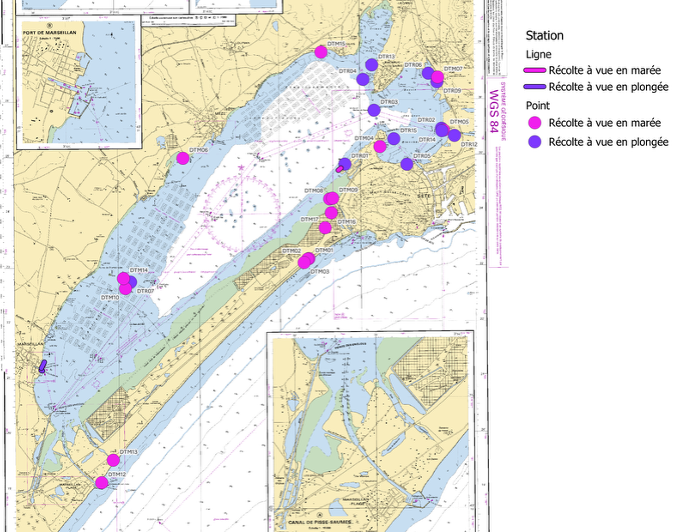
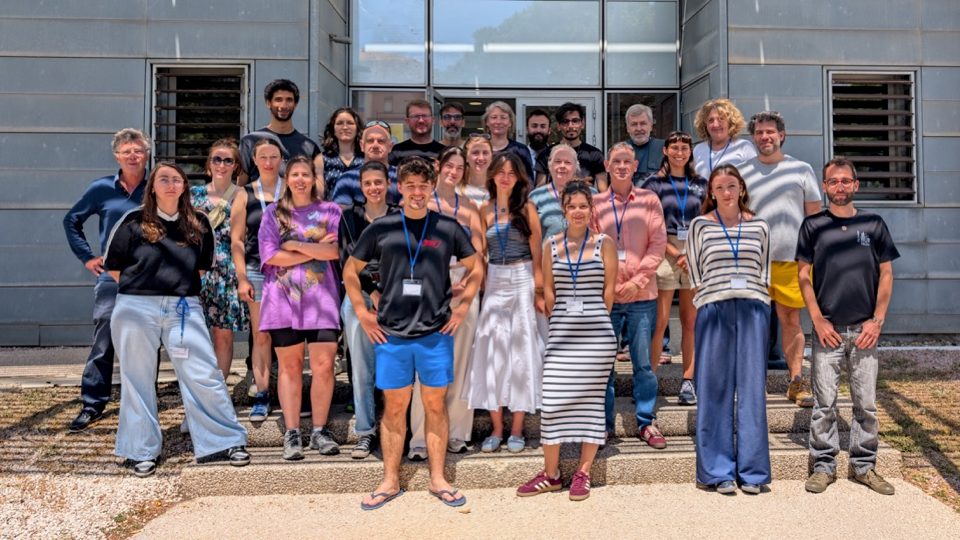
From 1 to 5 June 2026, around thirty participants took part in a specimen collection campaign at Thau Lagoon, based at Ifremer’s Sète station.
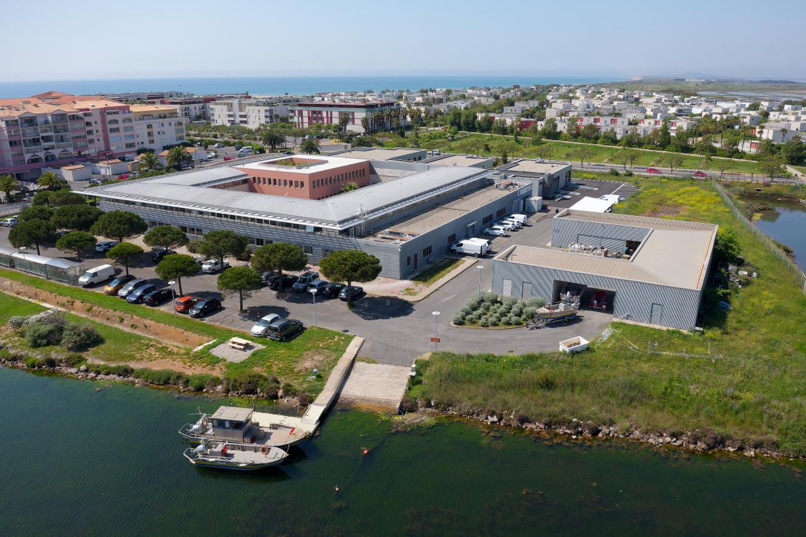
Thau Lagoon is a semi-enclosed coastal lagoon connected to the Mediterranean Sea by channels. Subject to strong variations in salinity and temperature, this hybrid environment between sea and lagoon is home to a remarkable biodiversity. However, climate change gradually increases the temperature of its waters which, combined with shellfish farming activities, enable the establishment of non-native species and increase the risk of ecological imbalance in this highly distinctive ecosystem.
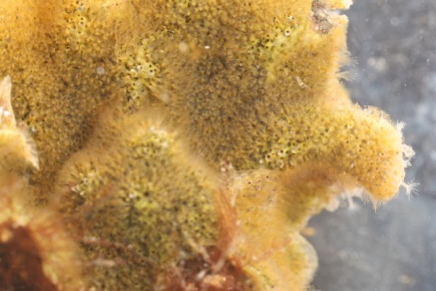
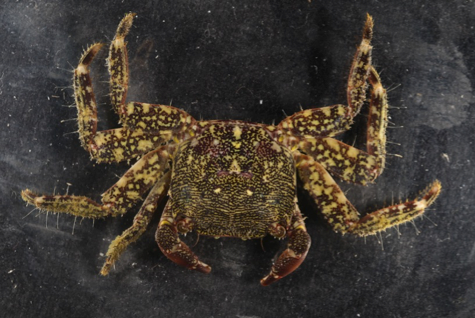
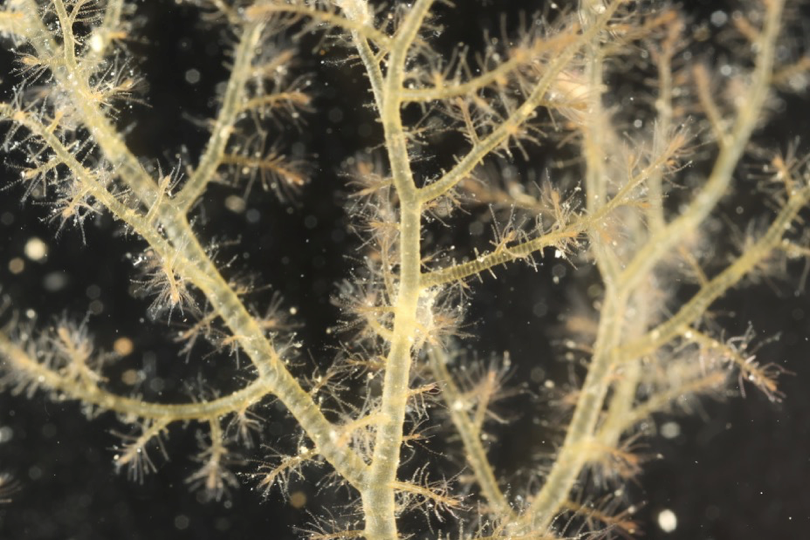
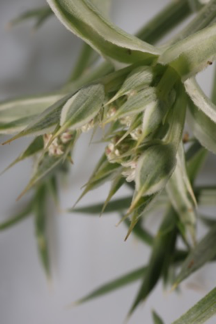
It was in this context that ATLASea set up at Ifremer’s marine station in Sète from 1 to 5 June 2026 for a week of sampling. Around thirty participants, with a wide range of taxonomic expertise, came together to look for the species inhabiting the lagoon, with particular attention given to algae and non-native species. It was a busy week, at the end of which 149 species had been collected, including a wide diversity of red algae (Rhodophyta), tunicates (Tunicata) and vascular plants (Tracheophyta).
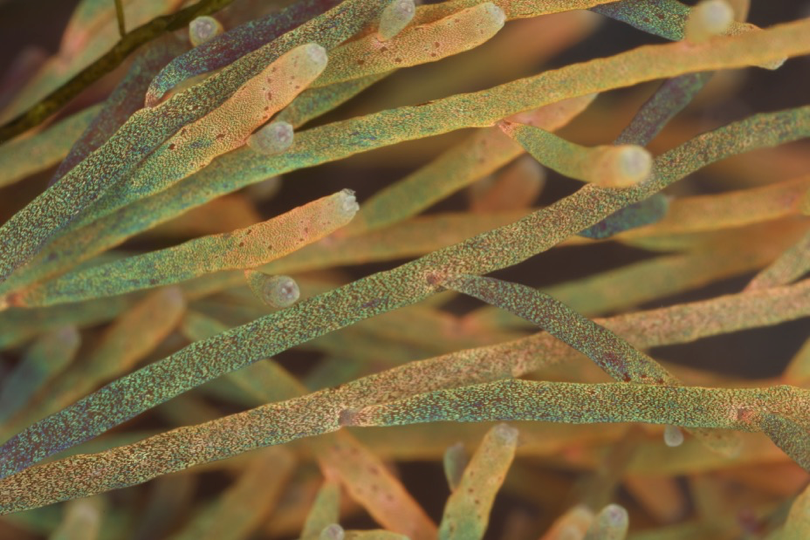
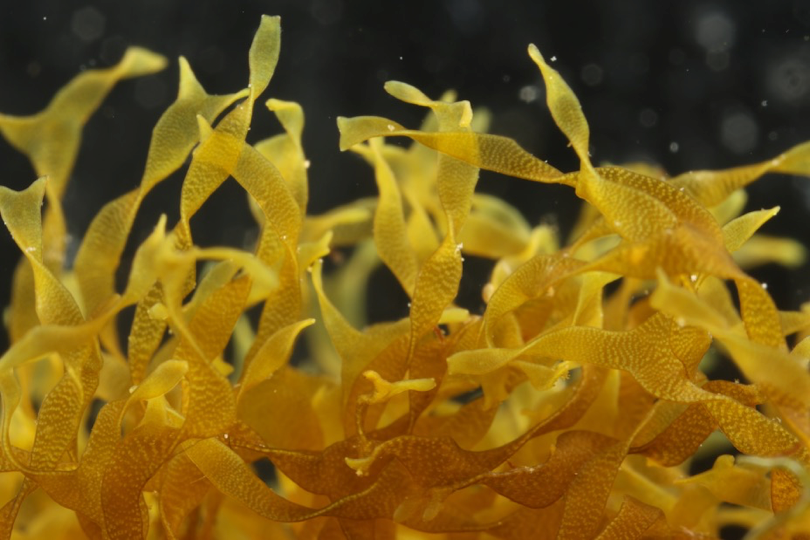
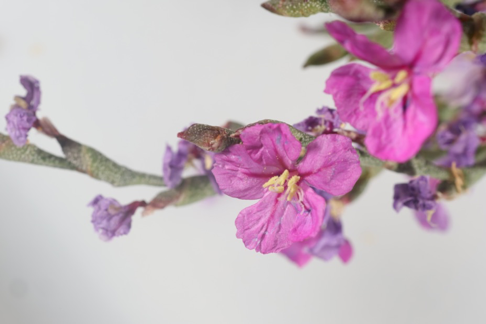
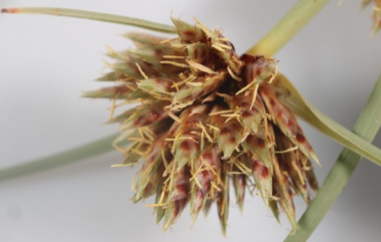
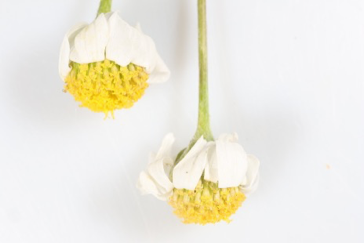
The primary objective of the mission was to improve our knowledge of the algae found in Thau Lagoon. The mission was a success: 44 new species were added to the ATLASea collections, at least ten of which are considered as non-native. Including vascular plants, more than 60 plant species were sampled. Among them, two species, Zostera marina and Ruppia cirrhosa, form genuine underwater meadows. These seagrass beds provide essential habitats for many species and play a major ecological role in the lagoon.
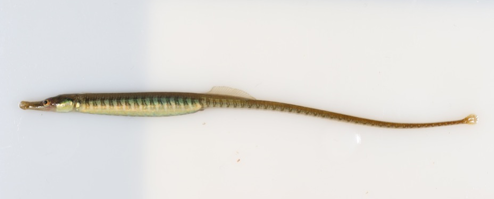
However, some animal species were also eagerly expected. This was notably the case for Syngnathus aff. typhle, a fish species from the pipefish family (Syngnathidae) that has not yet been formally described. Its search mobilized the field teams, as well as the valuable knowledge of local naturalists, particularly Frédéric André. To capture it, the teams had to brave the anemones living among the seagrass. They are only mildly stinging, but it is still best to avoid rubbing against them too much! As Benjamin Girard, DIVE-Sea project manager, explains: “When you rub against them for an hour or two, it really feels like you’ve thrown yourself into a field of stinging nettles!”
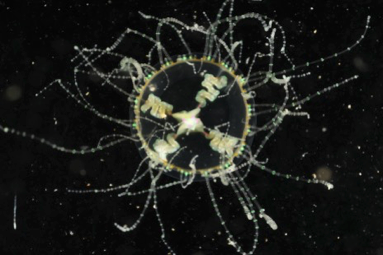
The week also brought a few surprises. In the final days of the mission, a bloom of the jellyfish Aurelia coerulea appeared in the lagoon. This species, one of the few non-stinging jellyfish, was present in large numbers, making it possible to collect numerous specimens. However, not all searches yielded the expected results. Nudibranchs, in particular, proved particularly elusive, despite extensive preparatory work to identify the species likely to be present and their potential locations. Such challenges are also part of fieldwork.
Beyond the species collected, this mission was above all a collective adventure. Ifremer’s Sète station played a key role in its success, welcoming the teams and adapting its operations to ensure that the campaign ran smoothly. The station’s teams worked collaboratively with ATLASea, making their facilities, time and knowledge of the site available to support the mission.